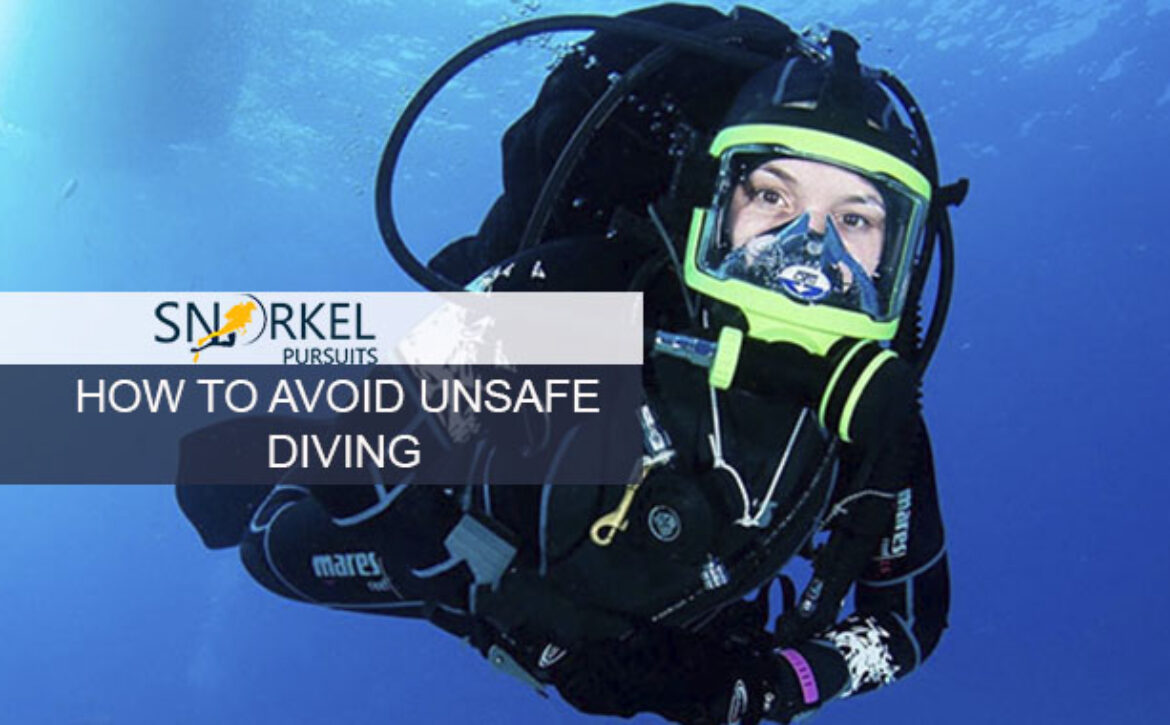
Best Full Face Snorkel Mask for Swimming Laps


I get a version of this question a lot: “Which full face snorkel mask should I get for swimming laps?”

Most people asking it have a sore neck from years of turning their head to breathe, or they’ve seen a full face mask on Instagram and figured it would make pool workouts easier. It’s a reasonable instinct. But it’s the wrong question — and answering it the way most gear sites do would be doing you a disservice.

So before I hand you a list of “top picks,” I want to walk you through why full face snorkel masks and lap swimming don’t actually mix, what happens physiologically when they’re pushed into that role, and what you should buy instead if your goal is comfortable, safe pool training. If you still want a full face mask for calm, low-effort floating on vacation, I’ll cover which ones are worth trusting and which ones aren’t.

Quick Answer

Full face snorkel masks are built for slow, relaxed surface floating — not for the hard breathing that comes with swimming laps. When you exert yourself, your breathing rate jumps, and the large air chamber inside a full face mask lets exhaled carbon dioxide mix back into the air you’re about to breathe again. At low effort that’s a non-issue. Under real exertion, it isn’t. For lap swimming and pool training, a center-mount swim snorkel — the kind with a small-bore tube and no sealed air chamber over your whole face — is the safer, more effective choice. If you’re set on a full face mask for gentle open-water floating, look for one with independently verified separated breathing channels and a proper CO₂ purge design.

Can You Use a Full Face Snorkel Mask for Lap Swimming?

Let’s deal with this up front, because it’s the most important thing in this guide.

Full face snorkel masks were designed for a specific activity: floating near the surface, looking down at reef or fish, breathing normally through your nose and mouth inside a sealed chamber. That’s a low-exertion activity. Your breathing stays slow and shallow, and the mask’s internal air volume — sometimes called “dead space” — doesn’t have much chance to fill up with stale, CO₂-rich air before you take your next breath.

Swimming laps is a completely different demand on your body. Once you’re doing continuous freestyle, even at a moderate pace, your oxygen need goes up sharply and your breathing rate follows. That’s exactly the condition where a full face mask’s dead space becomes a problem. You start rebreathing some of the air you just exhaled, which is higher in carbon dioxide than fresh air. Do that for long enough at a high enough effort, and CO₂ can build up in your bloodstream faster than your body is used to — a condition called hypercapnia. It shows up as lightheadedness, a mild sense of panic, confusion, or in more serious cases, fainting. In the water, any of those is dangerous.

This isn’t a fringe concern. It’s the reason the U.S. Consumer Product Safety Commission (CPSC) has specifically flagged full face snorkel mask safety, and why several manufacturers now put exertion warnings directly on their packaging. The masks aren’t unsafe for what they’re built for. They become risky when they’re asked to do a job — sustained aerobic breathing — that they were never designed around.

So, directly: full face masks are not a good fit for lap swimming, interval training, or any pool session where your breathing rate climbs. If that’s your goal, skip ahead to the swim snorkel section below. If you’re shopping for a full face mask to use the way it was actually intended — gentle surface snorkeling on a reef trip — keep reading, because fit and CO₂ design still matter a lot there too.

Why Your Breathing Changes When You Swim Laps

Most people don’t think about how differently their body breathes at rest versus under load. Floating on the surface, admiring coral, your breathing might sit around 12–16 breaths a minute, mostly through the nose, mostly shallow. Swimming continuous laps, that number climbs fast, and each breath becomes bigger and more urgent because your muscles are burning more oxygen and producing more CO₂ that needs to leave your body.

A snorkel setup that works fine at rest can become a liability the moment you add real cardio output. This is exactly why competitive and fitness swimmers use a completely different category of product — a swim snorkel — rather than anything resembling a full face mask.

Full Face Snorkel Mask vs. Swim Snorkel

Full Face Snorkel Mask Center-Mount Swim Snorkel
Intended use Calm surface floating, casual snorkeling Lap swimming, stroke training, pool workouts
Pool/lap training Not recommended Purpose-built for this
Surface snorkeling Excellent Not designed for this
Underwater capability Very limited, short shallow dips only None (not meant to submerge)
Breathing under exertion Risk of CO₂ rebreathing Open, low-resistance airflow
Comfort during flip turns Poor — bulky, can flood or shift Designed to stay secure
Visibility Wide panoramic view Standard swim goggles field of view
Learning curve Low Moderate — takes a few sessions to adjust
Cost $30–$100+ $20–$60

If your goal is fitness, technique work, or reducing neck strain from side-breathing, the swim snorkel wins on every relevant point. The full face mask wins if your goal is floating and looking around, not swimming hard.

The Best Center-Mount Swim Snorkels for Lap Swimming (The Real Solution)

This is the category most people asking about “full face masks for laps” actually need. A center-mount swim snorkel sits on a bracket in the middle of your forehead, with a single tube running down to a mouthpiece. You breathe through your mouth only, keep your face in the water the whole length of the pool, and never have to turn your head to breathe.

Best Overall for Laps: FINIS Swimmer’s Snorkel

Who it’s for: Swimmers doing regular lap sessions who want to fix their head position and stop craning their neck to breathe.

Why it stands out: The center-mount bracket keeps the tube locked in place through flip turns and doesn’t shift around the way side-mounted snorkels tend to. Airflow is unobstructed — there’s no sealed chamber over your face, so there’s nothing trapping CO₂ near your nose and mouth. It also forces better body alignment, since you can’t cheat by lifting your head to breathe.

Downsides: It takes a session or two to get used to breathing only through your mouth while your face stays submerged. Some swimmers find the purge valve at the bottom lets in a small amount of water on hard push-offs until they get the hang of clearing it.

Best for Competitive or Fast Swimmers: FINIS Stability Snorkel or Speedo Bullethead

Who it’s for: Faster swimmers and anyone doing sprint sets, where a wobbly tube becomes a real distraction.

Why it stands out: Both use a stiffer, more hydrodynamic bracket than entry-level snorkels, so the tube doesn’t vibrate or bounce at higher stroke rates. That stability matters more than it sounds — a rattling tube at speed is enough to break your rhythm mid-set.

Downsides: The more rigid design means less forgiveness in fit if your head shape doesn’t match the bracket well. Try one on, or buy from a retailer with a fair return policy, before committing.

Full Face Snorkel Masks (Only for Casual, Low-Effort Open-Water Floating)

If what you actually want is a mask for a relaxed reef trip — not laps — here’s where fit and CO₂ design become the things that matter most. This is where many masks fall short: cheap, unbranded versions copy the shape of a good mask without replicating the internal breathing channel design that keeps exhaled air moving out instead of recirculating.

Best Certified Full Face Mask: Khroom Seaview Pro

Who it’s for: Casual snorkelers who want the wide field of view and normal-breathing comfort of a full face mask, without gambling on an unverified design.

Why it stands out: It’s one of the few full face masks on the market that publishes independent SGS testing showing genuinely separated inhale and exhale channels, which is the design feature that actually prevents CO₂ buildup during light use. That kind of third-party verification is rare in this category, and it’s worth paying attention to.

Downsides: Even with good CO₂ design, this is still a mask for slow surface floating, not exertion. The size range runs slightly generous, so check the sizing chart carefully rather than guessing.

Best Premium Alternative: Wildhorn Seaview 180 V3 or Ocean Reef Aria QR+

Who it’s for: Snorkelers who want a mask from an established dive brand with a track record, rather than a lesser-known import.

Why it stands out: Both come from manufacturers with a longer history in dive equipment, which tends to show in skirt quality, seal consistency, and purge valve reliability. That reliability is the main thing separating a good mask from the flood of cheap knockoffs on Amazon — a poor seal or a sticky purge valve is a bigger problem than most buyers expect until they’re in the water dealing with it.

Downsides: Priced higher than most entry-level options. The Ocean Reef Aria QR+ in particular is built around a quick-release camera mount, which is a nice feature but not something every buyer needs or wants to pay for.

Quick Comparison Table

Product Category Best For Pool Use Surface Snorkeling CO₂ Design Verified
FINIS Swimmer’s Snorkel Swim snorkel General lap training Yes No N/A (open airflow)
FINIS Stability Snorkel / Speedo Bullethead Swim snorkel Fast/competitive swimmers Yes No N/A (open airflow)
Khroom Seaview Pro Full face mask Casual reef floating Not recommended Yes Yes (SGS)
Wildhorn Seaview 180 V3 Full face mask Casual reef floating Not recommended Yes Brand-reported
Ocean Reef Aria QR+ Full face mask Casual reef floating + camera mount Not recommended Yes Brand-reported

How We Evaluated These Products

Every recommendation here was judged against the same set of practical, in-water concerns:

  • Fit and seal quality — does it actually stay watertight against different face shapes, or only the shape shown in the marketing photos
  • Breathing resistance and airflow — how much effort it takes to move air in and out, especially under load
  • CO₂ management — whether the design actively separates inhaled and exhaled air, and whether that claim is backed by anything beyond the manufacturer’s word
  • Stability during movement — flip turns for swim snorkels, waves and light current for full face masks
  • Visibility and lens clarity
  • Anti-fog performance
  • Build quality and materials — skirt silicone, strap durability, purge valve reliability
  • Manufacturer transparency — published safety testing, clear exertion warnings, honest use-case labeling

Are Full Face Snorkel Masks Safe?

Used the way they’re intended — calm surface floating, low exertion, short sessions — reputable full face masks are safe for the vast majority of healthy adults and older kids. The safety concerns show up in two specific situations: cheap, uncertified masks with poorly separated air channels, and any full face mask pushed into high-exertion use like lap swimming.

A few things worth knowing:

  • CO₂ buildup (hypercapnia) is the core risk with poorly designed full face masks, and it gets worse with exertion, not better. This is the reason the CPSC has issued public warnings on the category.
  • Independent certification matters. Look for testing standards like SGS, TÜV, or DEKRA (DIN EN 136) rather than taking a brand’s own marketing claims at face value. A mask with genuinely separated breathing channels actively pushes exhaled air out rather than letting it pool near your nose and mouth.
  • Proper sizing is non-negotiable. A mask that’s too loose won’t seal, which lets water in. A mask that’s too tight can create pressure discomfort and won’t seal properly either. Most reputable brands publish a sizing chart based on face measurements — use it instead of guessing from your regular mask size.
  • Follow the manufacturer’s exertion guidance. If the box says “not for strenuous activity” or “surface use only,” that’s not boilerplate legal language — it’s describing the exact mechanism that causes CO₂ buildup.

How to Use a Full Face Snorkel Mask Underwater

Full face masks are built for surface use, not repeated underwater diving, but many people do take brief, shallow dips below the surface to get a closer look at something. Here’s how to do that safely:

  1. Get the fit right first. Before you’re anywhere near open water, put the mask on dry and check that it seals evenly around your entire face with no gaps.
  2. Check both seals — the skirt against your face, and the connection between the mask and the snorkel tube. A leak at either point defeats the purpose of the design.
  3. Test your breathing on the surface before you commit to any dive. You should be able to breathe normally, at rest, with no sense of resistance or stale air.
  4. Keep your surface breathing calm. This is where the whole system depends on you staying relaxed — heavy breathing right before a dive works against you.
  5. Keep any submersion shallow and brief. These masks aren’t built for depth, and equalizing pressure inside a full face mask isn’t as intuitive as with a traditional mask and separate snorkel.
  6. Know how to clear water if any gets into the mask, using the purge valve, before you rely on the mask in open water.
  7. Resurface deliberately, not urgently. If you ever feel out of breath, dizzy, or like you’re not getting enough air, come up calmly rather than pushing through it.

A safety note worth repeating: these masks are not designed for prolonged breath-holding or repeated underwater dives. If free-diving or extended underwater time is what you’re after, a traditional mask and separate snorkel — or proper freediving gear — is the right tool, not a full face mask.

Why Many Competitive and Fitness Swimmers Prefer Swim Snorkels

If you’ve ever watched a swim team practice, you’ve probably noticed most of them breathing through a small centered tube rather than anything resembling a full face mask. That’s not a style choice — it’s functional.

  • Better body alignment. Without a snorkel, swimmers often lift their head slightly to breathe, which drops the hips and adds drag. A center-mount snorkel removes the need to turn or lift the head at all.
  • Continuous breathing. You can breathe on your own rhythm instead of syncing it to your stroke count, which makes it easier to focus purely on technique.
  • Less drag. A slim tube creates far less resistance than a bulky mask chamber.
  • Coaching benefits. Coaches use swim snorkels specifically because they isolate stroke mechanics from breathing mechanics, making flaws easier to spot and fix.

None of this applies to full face masks, which is exactly why you won’t see them on a pool deck during a real training session.

Features to Look for in a Swim Snorkel for Lap Training

  • Center-mount bracket that sits securely on the forehead through turns
  • Low-resistance airflow with a wide-bore tube
  • A responsive purge valve at the bottom to clear water quickly
  • Comfortable, adjustable head strap that doesn’t dig in over a long session
  • Lightweight construction so it doesn’t add noticeable drag or fatigue
  • A reputable brand with consistent quality control, since a snorkel that shifts mid-lap is more than an inconvenience

Common Mistakes to Avoid

  • Buying a full face mask for lap swimming. This is the mistake that started this whole guide — if pool training is the goal, a swim snorkel is the right category, full stop.
  • Guessing at sizing instead of using the manufacturer’s chart.
  • Choosing unbranded, uncertified full face masks with no published safety testing.
  • Ignoring exertion warnings printed directly on the product.
  • Skipping the fit check before your first real swim.
  • Neglecting cleaning, which shortens the life of silicone seals and purge valves.
  • Over-tightening straps, which doesn’t improve the seal and just adds discomfort or headaches.

How to Clean and Maintain Your Mask or Snorkel

  • Rinse thoroughly in fresh water after every use, especially after saltwater exposure
  • Use a mild soap occasionally to clear away oils and sunscreen residue
  • Air dry fully before storing — never pack it away wet
  • Store out of direct sunlight, which degrades silicone over time
  • Inspect the seal and purge valve periodically for cracking or stiffness
  • Replace straps or valves as soon as they show wear rather than waiting for a failure in the water

Frequently Asked Questions

What is the best full face snorkel mask for swimming laps? None, honestly. Full face masks aren’t built for the breathing demands of lap swimming. A center-mount swim snorkel like the FINIS Swimmer’s Snorkel is the appropriate tool for that job.

Can you swim laps with a full face snorkel? You can physically do it, but it’s not recommended. The exertion involved in lap swimming increases your breathing rate to a point where full face masks can allow CO₂ to build up inside the sealed chamber.

Can you go underwater with a full face snorkel mask? Briefly and shallowly, yes, but these masks aren’t designed for repeated dives or extended underwater time. Manufacturers generally recommend surface use.

How long can you stay underwater in a full face mask? There’s no fixed safe number — it depends on the mask and your own comfort — but these masks are built around short, shallow dips, not sustained submersion.

Is a swim snorkel better than a full face snorkel for training? Yes, for lap swimming and pool workouts specifically. For calm surface snorkeling on a reef, a full face mask is often the more comfortable option.

Are full face snorkel masks safe? Used as intended — low exertion, surface floating — from a reputable brand with verified CO₂ design, yes. Pushed into high-exertion use, they carry real risk of CO₂ buildup.

Can beginners use a full face mask? Yes, for casual, calm snorkeling. It’s actually a common starting point for people who find a traditional mask-and-snorkel setup awkward.

Do full face snorkel masks fog up? Cheaper models are more prone to it. Look for one with a proper anti-fog coating and separated airflow channels, which reduces the moisture buildup that causes fogging.

Can you wear glasses inside a full face mask? Not typically — the mask covers your entire face, and most aren’t designed to accommodate glasses frames underneath. If you rely on corrective lenses, look into prescription options for traditional masks instead.

Where This Leaves You

If you came into this looking for a full face mask to help you swim laps more comfortably, the honest answer is that the mask isn’t the problem you need to solve — a center-mount swim snorkel is. It fixes the exact issue that made you start looking in the first place, without introducing the CO₂ risk that comes with pushing a full face design past what it was built for.

If your actual goal is a relaxed day floating over a reef, a full face mask is still a fine choice, as long as you pick one from a brand that can show its CO₂ design actually works, rather than just claiming it does.

Either way, you now know which category solves your problem — and that’s really the only decision that matters here.

Best Full Face Snorkel Mask for Glasses Wearers (2026 Buyer’s Guide)

If you wear glasses and you’ve ever tried to snorkel without them, you already know the problem. Everything past arm’s length turns into a blur of color and shape. Fish become smudges. Reef structure disappears into soft focus. And the obvious fix — just wear your glasses under the mask — doesn’t work the way people hope it will.

This is one of the most common questions we get: can you wear glasses inside a full face snorkel mask? The short answer is no, not your regular pair, and not safely. But that doesn’t mean you’re stuck choosing between blurry vision and an old-school mask with a snorkel clenched in your teeth. There are real solutions, some built directly into the mask and some that bolt onto it afterward, and the difference between them matters more than most buying guides let on.

This guide walks through why glasses and full face masks don’t mix, what to use instead, and which masks actually have a legitimate system for prescription wearers versus which ones are just decent masks with no answer for your eyesight at all. We’ll also get into the parts nobody mentions upfront — like the fact that the mask price you see online is rarely the full cost once your prescription is involved.


Quick Picks

Best For Product Rating Highlights
Best Overall Ocean Reef Aria QR+ ⭐⭐⭐⭐⭐ Native prescription lens support, tool-free clip-in frame
Best Premium Ocean Reef Aria Classic ⭐⭐⭐⭐⭐ Same optical ecosystem, refined seal and comfort
Best Value Prescription Option Khroom Seaview Pro Plus ⭐⭐⭐⭐☆ Native clip-in inserts, SGS CO₂ certified
Best With a Universal Insert WildHorn Outfitters Seaview 180 (V2) ⭐⭐⭐⭐☆ Excellent seal and comfort, needs third-party lens insert
Best Visibility (Universal Insert Required) Tribord Easybreath ⭐⭐⭐⭐⭐ Huge field of view, no native prescription system
Budget / Entry-Level (Limited Options) G2RISE Full Face Mask ⭐⭐⭐☆ Workable with contacts or suction-cup inserts only

A quick note before you scroll further: this table ranks masks by how well they actually handle prescription vision, not just by general comfort or price. A mask can be excellent for someone with normal vision and still be a poor pick for you specifically. Keep that distinction in mind as you read.


Can You Wear Glasses With a Full Face Snorkel Mask?

Usually, no.

Most people don’t realize how tight the tolerances are on a full face mask’s silicone skirt. That skirt needs to sit flush against your skin, uninterrupted, to hold a seal against water pressure. Glasses frames — even thin ones — create a raised ridge along your temples and the bridge of your nose. That ridge is exactly where the seal needs to be flattest.

This is where many masks fall short if you try to force it anyway. The arms of your glasses press outward against the silicone, and instead of the skirt hugging your skin evenly, it bridges over the frame with small gaps on either side. Water finds those gaps. You’ll notice it first as a slow trickle near your temples, then as fogging, and eventually as a mask that just won’t stay dry no matter how many times you readjust it.

There’s a second, less obvious issue. Full face masks route your air supply through separate channels — fresh air in through one path, exhaled CO₂ out through another — so you’re not rebreathing your own stale air. If you’ve ever experienced that light-headed, slightly panicky feeling partway through a swim, it’s usually a sign that fresh and exhaled air are mixing somewhere they shouldn’t be. Jamming a rigid pair of glasses into the mask’s interior can distort that inner divider, especially on cheaper, unbranded masks where the divider isn’t reinforced. On a reputable mask, those channels are built to stay separate no matter how the mask flexes. On a poorly made one, they’re not, and that’s a real safety issue, not just a comfort one.

So the honest advice is simple: don’t wear your regular glasses inside a full face mask. It compromises the seal, it compromises the airflow, and neither of those is worth risking for the sake of not wanting to buy a second pair of lenses.

The good news is you don’t have to choose between clear vision and a safe mask. You just need the right setup.


Best Alternatives to Wearing Glasses Inside a Full Face Snorkel Mask

Prescription Lens Inserts (The Best Option)

This is the real fix, and it comes in two forms depending on which mask you buy.

Native inserts are built by the mask manufacturer specifically for that mask. They clip or snap into a frame that’s designed to sit flush against the inside of the viewing window without disturbing the seal or the air channels. Ocean Reef and Khroom both do this well, and we’ll get into the specifics of each further down.

Custom lenses go a step further. Instead of picking an off-the-shelf diopter strength, you send your actual prescription to a specialty lab — See The Sea RX is the name that comes up most often in this space — and they grind lenses to match your exact prescription, including astigmatism correction if you need it. This costs more and takes longer to arrive, but if your prescription is unusual or strong, it’s often the only way to get vision that’s actually sharp underwater rather than just “good enough.”

Contact Lenses

For a lot of snorkelers, this ends up being the simplest workaround. Wear your contacts, put the mask on like anyone else, done.

The upside is obvious: no extra hardware, no waiting on a custom lens order, and full compatibility with any mask on this list. The downside is that saltwater exposure is genuinely rough on contact lens wearers. If water gets into the mask — even a small amount from a poor seal or a moment of removing the mask at the surface — it can irritate your eyes or, in rarer cases, introduce bacteria that daily-wear lenses aren’t built to handle. Daily disposables are the safer route here, since you’re not trying to protect a lens you need to reuse. Rinsing your hands thoroughly before touching your eyes, and having a backup pair of glasses on the boat, are both worth doing.

Prescription Snorkel Masks (Traditional Style)

Traditional two-lens or single-lens snorkel masks have supported prescription lenses for decades, far longer than full face masks have existed. If your prescription is strong, if you’re new to snorkeling, or if you just want the most reliable option without any workaround gear, a traditional prescription mask is often the more sensible buy. We’ll compare this directly against full face masks later in the guide, and it’s worth reading that section before you commit to a full face setup.

Renting Prescription Gear While Traveling

If you’re only snorkeling once or twice a year on vacation, buying a mask with a full prescription insert system might not make sense financially. Many dive shops in snorkeling destinations rent prescription masks or can special-order lens inserts for your trip with a few days’ notice. It’s worth a phone call to your resort or dive operator before you assume you need to buy anything at all.


The Real Cost of Going Prescription

Here’s something most guides skip past, and it’s worth knowing before you add anything to your cart: the mask price is not the full price.

When you buy a mask like the Ocean Reef Aria QR+, you’re paying for the mask itself. The optical frame that holds your lenses is typically sold separately. The actual corrective lenses — whether off-the-shelf diopter lenses or custom-ground ones from a lab like See The Sea RX — are a third, separate purchase. Add these up and a mask advertised at one price can end up costing noticeably more once you’re actually seeing clearly through it.

This isn’t a hidden fee or a bait-and-switch. It’s just how modular optical systems work — the same way buying safety glasses with prescription lenses works, or how ski goggles with prescription inserts work. But it catches people off guard when they weren’t expecting a second and third charge, so it’s better to know going in. Budget for the mask, the frame, and the lenses as three line items, not one.


What to Look for in a Full Face Snorkel Mask if You Wear Glasses

Optical compatibility

Does the manufacturer sell a native insert frame, or are you on your own? This is the single biggest factor and it should come before anything else on your checklist.

Anti-fog airflow

A well-designed airflow system keeps warm, moist exhaled breath from settling on the inside of the lens. Poor airflow fogs faster, and fogging is worse when you’re already dealing with reduced vision from a weaker prescription insert.

Silicone skirt

Look for soft, medical-grade silicone that conforms to a range of face shapes. A stiffer skirt is more likely to bridge over any irregularity — including the edges of a lens insert frame — and leak.

Dry-top snorkel

This keeps water from entering the tube if a wave washes over you at the surface. Not related to glasses specifically, but worth checking regardless.

CO₂ safety testing

Look for SGS certification or equivalent third-party CO₂ testing. This confirms the mask’s fresh-air and exhaled-air channels stay properly separated under real conditions, not just in theory.

Size and fit

Full face masks are usually sized S/M/L based on face measurements, not guesswork. If you’re adding an insert frame, make sure it’s rated to work with your specific mask size.

Field of vision

Panoramic masks feel dramatically different from a traditional two-lens mask. Worth trying on if you can, since some people find the wraparound view disorienting at first.

Camera mount

Not essential, but useful if you plan to record your snorkeling trips.


How We Tested These Masks

We evaluated each mask against the same criteria: seal quality across multiple face shapes, comfort during extended wear, visibility and optical clarity, anti-fog performance in warm water, breathing resistance at the surface, durability of the silicone and buckle hardware, ease of cleaning and drying, and — specifically for this guide — compatibility with prescription lens inserts, whether native or third-party. Masks that performed well generally but had no real answer for prescription wearers are noted as such rather than excluded outright, since they may still suit a reader who plans to wear contacts.


Full Face Mask vs Traditional Prescription Snorkel Mask

Feature Full Face Traditional Mask
Prescription options Limited to specific brands Excellent, widely supported
Field of view Excellent Good
Easy breathing Excellent Moderate
Leak resistance Good Excellent
Travel friendly Good Excellent
Cost Higher Lower

Traditional masks usually win for prescription users, and it’s worth sitting with that for a second, because it runs against the whole premise of this guide. If your main goal is the clearest, most hassle-free correction, a two-lens prescription mask paired with a separate snorkel is still the more dependable setup. It’s been around longer, more labs support it, and there’s no reliance on a niche insert ecosystem that only a couple of brands have figured out.

That said, if you’re dead-set on the panoramic view and easier breathing of a full face mask, it’s absolutely possible — you just have to buy into the right ecosystem rather than assuming any full face mask will accommodate your prescription. Here’s how the actual products stack up.


Our Top Picks

The Native Prescription Ecosystems

These are the masks worth prioritizing if a built-in, brand-supported prescription system matters to you.

Ocean Reef Aria QR+ — Best Overall

Ocean Reef is the name that comes up again and again in this space, and for good reason. Their Optical Lens Support 2.0 system is a clip-in frame that snaps into place behind the mask’s window without disturbing the seal or the airflow channels. It accepts off-the-shelf corrective lenses from roughly -1.0 to -4.0 diopters, or custom lenses from a specialty optical lab if your prescription falls outside that range or includes astigmatism correction.

One detail that stands out: the temple arms of the insert frame can attach to the lens holder on its own, turning it into a regular pair of glasses once you’re out of the water. It’s a small thing, but it tells you the system was actually engineered for prescription wearers rather than bolted on as an afterthought.

Who it’s for: Snorkelers who want a proven, well-supported prescription system and don’t mind paying for it.

Downsides: The lens frame and lenses are purchased separately from the mask itself, and the diopter range for off-the-shelf lenses won’t cover very strong prescriptions without going custom.

Ocean Reef Aria Classic — Best Premium

Same optical ecosystem as the QR+, with a slightly different seal design and buckle system that some users find more comfortable for longer sessions. If you’re already sold on the Ocean Reef prescription system and want the version with the most refined fit, this is it.

Who it’s for: Serious or frequent snorkelers who’ll get enough use out of the mask to justify the premium price.

Downsides: Priced higher than the QR+, and the improvement over that model is more about comfort than function.

Khroom Seaview Pro / Pro Plus — Best Value Prescription Option

Khroom has built a serious presence in this category and deserves a spot on this list ahead of some more generic budget masks. Their tool-free clip-in optical inserts cover a genuinely wide range, from -6.0 up to +6.0 diopters, which is a broader spread than most competitors offer off-the-shelf. The masks are SGS certified for CO₂ safety, so the fresh-air and exhaust channels are independently verified, not just claimed.

Who it’s for: Anyone who wants a native prescription system without paying Ocean Reef’s premium pricing.

Downsides: Less established brand history than Ocean Reef, so aftermarket support and lens availability may be more limited in some regions.

The Universal Workarounds

These masks are excellent on their own terms — comfortable, well-sealed, good visibility — but they were not designed with a proprietary prescription system. If you buy one of these and wear glasses, you’ll need to add a universal suction-cup insert, like the ones made by GogglesNMore, which stick directly to the inside of the mask’s viewing window and hold corrective lenses in place independent of the mask’s frame.

WildHorn Outfitters Seaview 180 (V2)

A genuinely good mask for the price, with a comfortable seal and solid anti-fog performance. It simply has no native lens insert option, so glasses wearers need to add a universal suction-cup frame to get corrective lenses in front of their eyes.

Who it’s for: Budget-conscious buyers willing to add a third-party insert, or those planning to snorkel with contacts instead.

Downsides: No brand-supported prescription path — you’re relying on a separate product from a separate company, and fit consistency between the two isn’t guaranteed the way it is with a native system.

Tribord Easybreath

One of the original full face masks and still one of the best for sheer field of view. Visibility is genuinely excellent, and the mask has a long track record. Like the WildHorn, though, it has no proprietary optical insert, so the same universal suction-cup approach applies here.

Who it’s for: Snorkelers who prioritize the widest possible view and are comfortable pairing the mask with a universal insert or wearing contacts.

Downsides: No native prescription ecosystem, and the panoramic lens shape can make a flat suction-cup insert slightly less flush against the curve of the window than on a flatter-lensed mask.

Products to Reconsider

G2RISE Full Face Mask

A reasonable entry-level mask with an easy breathing system, but it doesn’t have a dedicated optical ecosystem, and its lens geometry isn’t always compatible with universal suction-cup inserts depending on the exact curve of the window. If you go this route, plan on contacts as your primary solution rather than assuming an insert will fit cleanly.

Who it’s for: First-time snorkelers on a tight budget who are comfortable wearing contacts.

Downsides: Limited long-term prescription flexibility if your eyesight changes or you want to upgrade your setup later.

HEAD Sea Vu Dry

Comfortable silicone and reliable anti-fog airflow, but the same story applies — no brand-supported snap-in frame. Fine as a general mask, not a strong pick if native prescription support is a priority for you.

Who it’s for: Snorkelers without vision correction needs, or those planning to rely on contacts.

Downsides: No dedicated prescription pathway; you’re on your own for lens solutions.


Guided Decision: Which One Should You Actually Buy?

If you want the simplest path to clear vision underwater and you’re willing to pay for it, go with the Ocean Reef Aria QR+. It’s the most proven native system on the market, and the ability to order custom lenses means it’ll work even for unusual or strong prescriptions.

If you want that same native system without Ocean Reef’s price tag, the Khroom Seaview Pro Plus is worth serious consideration, especially given its wider off-the-shelf diopter range and independent CO₂ certification.

If you already own — or are set on buying — a WildHorn Seaview 180 or Tribord Easybreath for their comfort and visibility, that’s a reasonable choice, but go in knowing you’ll need a universal suction-cup insert as a separate purchase, and that the fit won’t be quite as integrated as a native system.

If your prescription is strong, if you snorkel only occasionally, or if you’d simply rather avoid the extra cost and complexity of an insert system altogether, don’t rule out a traditional two-lens prescription snorkel mask. It remains the most dependable option for corrective vision, even if it lacks the panoramic feel of a full face design.

And if none of the above feels worth the investment for how often you snorkel, daily disposable contact lenses paired with any well-fitted mask on this list will get you clear vision with the least amount of extra gear.


Common Problems Glasses Wearers Face

Leaks: Almost always caused by a rigid frame breaking the skirt’s seal, or by a universal insert that isn’t seated flush against the window. Check the insert’s suction before every entry into the water.

Pressure points: Regular glasses arms pressing into the silicone near your temples cause discomfort within minutes. A proper insert frame is designed to sit flat, without pressure points, because it’s built into the mask’s geometry rather than fighting against it.

Fogging: Weaker anti-fog airflow combined with a lens insert that disrupts normal airflow patterns can fog faster than expected. Native systems are engineered around this; universal suction-cup inserts are more prone to it since they weren’t designed alongside the mask.

Distorted vision: Off-the-shelf lens strengths are approximations. If your prescription includes astigmatism or falls outside standard diopter increments, expect some softness in your vision unless you go with custom-ground lenses.

Poor seal: Covered above, but worth repeating — this is the single most common complaint from glasses wearers who try to force their regular pair into any full face mask.

Mask sizing: A mask that’s slightly too large or small for your face shape will compound every other issue on this list. Measure your face against the manufacturer’s sizing chart before buying, and don’t assume your regular clothing size translates to mask size.


Safety Tips for Glasses Wearers Using Full Face Masks

  • Buy from reputable brands with published CO₂ safety testing, not unbranded masks with vague claims about “advanced airflow.”
  • Check for SGS certification or equivalent third-party testing before buying, especially if you’re relying on a lens insert that sits inside the mask’s air pathway.
  • Never modify the mask’s silicone seal to accommodate glasses. If it doesn’t fit properly, the solution is a proper insert, not a workaround with your regular frames.
  • Avoid forcing glasses inside the mask under any circumstances, even “just for a quick look” at the surface.
  • Practice in shallow, calm water before taking any new mask-and-insert combination somewhere with current or depth.
  • Inspect valves, the insert’s suction seal, and the main skirt before every trip, not just the first time you use the mask.

Care and Maintenance

Cleaning: Rinse the entire mask, including the insert frame, in fresh water after every use to remove salt, which can degrade both silicone and lens coatings over time.

Drying: Air dry fully before storage. Trapped moisture inside a mask with an insert frame can encourage mold growth in the small gaps around the lens housing.

Storage: Store flat or in a rigid case to avoid warping the skirt, which can affect both the general seal and how well an insert frame sits against the window.

Replacing seals: Silicone degrades with UV and saltwater exposure. If you notice the skirt losing flexibility or developing cracks, replace it before your next trip rather than hoping it holds.

Anti-fog care: Reapply anti-fog treatment periodically, and be aware that some anti-fog products can leave residue on prescription lens coatings, so check compatibility with your specific insert.

Prescription lens maintenance: Clean lens inserts with a microfiber cloth and lens-safe cleaner, the same as you would regular glasses. Saltwater residue left on a lens can etch the coating over time.


Frequently Asked Questions

Can you wear glasses with a full face snorkel mask? Not your regular pair. The frame breaks the seal and can compromise the airflow channels. Use a prescription lens insert, contacts, or a traditional prescription mask instead.

Can I use reading glasses? No — even thin reading glasses create enough of a ridge to interfere with the seal. The same insert-based solutions apply.

Are contact lenses better? For many casual snorkelers, yes, simply because there’s no extra hardware involved. The tradeoff is a small added risk of irritation if water enters the mask, so daily disposables are the safer choice.

Which brands support prescription lenses? Ocean Reef and Khroom currently offer the most developed native systems. Other masks can be adapted with universal suction-cup inserts, though fit and airflow performance won’t be quite as refined.

Do prescription inserts fog? They can, especially universal suction-cup versions that weren’t engineered alongside the mask’s airflow system. Native inserts from brands like Ocean Reef and Khroom are designed with this in mind and tend to perform better.

Are prescription inserts worth it? If you snorkel regularly and want dependable clear vision, yes. If you only snorkel occasionally, contacts or a rental setup may make more financial sense.

Can kids wear prescription inserts? Some brands offer sizing that accommodates younger or smaller faces, but availability varies. Check the specific manufacturer’s size chart and prescription range before buying for a child.

Is a traditional snorkel mask better for glasses wearers? In terms of pure prescription support, yes — traditional masks have decades of established compatibility with corrective lenses. Full face masks offer a wider field of view and easier breathing, but with a narrower set of prescription-friendly options.


Final Verdict

Best Overall: Ocean Reef Aria QR+ Best Value Prescription Option: Khroom Seaview Pro Plus Best Premium: Ocean Reef Aria Classic Best With a Universal Insert: WildHorn Outfitters Seaview 180 (V2)

Whichever direction you go, you now know the questions that actually matter: does this mask have a real prescription system or not, what will the total cost look like once lenses are included, and does the brand back up its safety claims with actual testing. That’s enough to choose with confidence, rather than guessing and hoping your old glasses somehow fit.


Related reading: Best Prescription Snorkel Masks · Snorkeling With Glasses · Are Full Face Snorkel Masks Safe? · Best Anti-Fog Solutions for Snorkel Masks

Best Short Fins for Snorkeling (2026): Top Picks for Comfort, Travel & Performance

If you’ve ever stuffed a pair of full-length dive fins into a suitcase, you already know the problem. They don’t fit flat. They don’t fit at all, most of the time, unless you’re checking a bag just for them. And once you’re in the water, long fins have their own issues for casual snorkeling — they’re harder to control in tight spaces, they demand more leg strength than most vacationers expect, and around a reef, one careless kick can do real damage to coral you didn’t even see.

This is where short fins earn their place. They’re not a compromise version of “real” fins — for the vast majority of snorkeling trips, they’re the better tool for the job. Lighter, easier to pack, gentler around reef structures, and far less tiring for someone who’s snorkeling for an hour or two rather than training for a freediving competition.

We’ve spent time in the water with a range of short fins — on reef trips, off boats, and packed into carry-on luggage more times than we can count — and evaluated them on the things that actually matter once you’re past the marketing copy: comfort over a full session, how much genuine propulsion you get from a short blade, how they handle in tight reef spaces, how much room they take up in a bag, how well they hold up to saltwater and sun, and whether the price matches what you’re getting.

One thing we want to flag up front: you’ll see a lot of “top 10” fin roundups out there. In our experience, that’s usually padding. Short fins share a lot of the same DNA — similar foot pocket materials, similar blade lengths, similar strap systems — so a list that long ends up repeating itself. We’d rather give you six fins we can genuinely stand behind, each solving a different situation, than pad the list with near-duplicates just to hit a number.

What we evaluated:

  • Comfort over a full snorkeling session, not just the first five minutes
  • Foot pocket material and fit, including where sizing tends to run tight or loose
  • Blade design and how much real propulsion it delivers
  • Weight and packed size
  • Efficiency versus fatigue
  • Durability of straps, buckles, and blade material
  • Price relative to what you actually get

Quick Recommendations

Category Recommendation Best For
Best Overall Cressi Palau SAF Most snorkelers, including families sharing gear
Best Travel Fin TUSA Sport UF21 Frequent flyers, minimal packers
Best Budget U.S. Divers Trek First-timers, occasional snorkelers
Best Premium Scubapro Go Travel Snorkelers who want scuba-grade materials in a barefoot fin
Best Barefoot Fit Mares X-One Warm-water swimmers who dislike buckles
Best Modern Alternative Wildhorn Topaz Short Fins Snorkelers who want a newer design with vented blades

Why Trust This Guide

We’re not trying to sell you the “best fin ever made” — that phrase doesn’t mean much when every foot and every trip is different. What we’re trying to do is save you from the two most common outcomes we hear about from readers: buying a fin that’s technically fine but wrong for their situation, or buying a fin that fails them halfway through a trip because a strap snapped or a foot pocket rubbed a blister into their heel on day two.

Our picks here come from a mix of hands-on use, manufacturer specifications, and patterns we’ve seen repeat across verified customer feedback — the recurring complaints and recurring praise that tell you more than a single glowing review ever could. We also update this guide as products change; if a manufacturer swaps materials or discontinues a model, that affects our recommendation, not just the marketing page.

How We Tested

Comfort: We paid attention to hot spots and pressure points after 45+ minutes of continuous wear, not just how a fin feels standing in a store. Silicone foot pockets that feel soft on land can still create friction once your foot is wet and swelling slightly, which is common in warm water.

Power: Short fins will never match the propulsion of a long free-diving blade — that’s physics, not a flaw. What we looked for is how efficiently each fin converts a kick into forward motion, since that’s what determines whether you’re tired after twenty minutes or an hour.

Maneuverability: Around reef structures, in surge, and in tight spaces where a wide kick isn’t an option. This matters more for reef safety than most buying guides mention — a fin that forces you into big kicks is a fin that’s more likely to end up in contact with coral you didn’t see.

Travel friendliness: Whether it genuinely fits in a carry-on alongside the rest of your gear, and how much it adds to your total luggage weight.

Durability: Blade stiffness over time, strap and buckle quality, and how the material holds up to repeated sun and saltwater exposure — the sun exposure part is where a lot of cheaper fins fail first, well before the blade itself wears out.


The Reviews

1. Cressi Palau SAF — Best Overall

The Palau has been around for a long time, and it’s stayed a common recommendation for a reason: it’s hard to get wrong. The foot pocket uses a soft rubber compound that doesn’t need much break-in time, and the adjustable heel strap means it can go from one family member’s foot to another’s without a second fin size sitting unused in the garage.

The blade isn’t going to win any power contests — it’s tuned for ease, not speed — but for reef snorkeling that’s exactly what you want. It gives you enough thrust to move comfortably without encouraging the kind of big, careless kicks that damage coral.

Downsides: The open-heel strap adds a bit of bulk compared to full-foot fins, and the buckle, while adjustable, is a wear point over years of heavy use — we’d recommend checking it each season if you’re a frequent snorkeler.

Who it’s for: Most vacation snorkelers, and especially families who want one fin that can be shared or sized down for kids with the strap adjustment. Not for: Snorkelers who want the absolute smallest packed footprint — there are shorter options if luggage space is your top priority.

2. TUSA Sport UF21 — Best Travel Fin

If your priority is getting gear into a carry-on without sacrificing a checked bag slot, this is the one we’d point you to. The blade is genuinely short, the hybrid foot pocket keeps weight down, and it packs flatter than most fins in this category.

Performance-wise, it’s a step down in raw propulsion compared to the Palau, which is the trade-off for the smaller size. That’s a fair trade for most trips — you’re not swimming against current with these, you’re gliding over a reef.

Downsides: The smaller blade means less forgiveness if you do end up in moving water, like drift snorkeling off a boat. It’s also a snugger fit than some open-heel designs, so sizing matters more here than with adjustable-strap fins.

Who it’s for: Frequent flyers and minimalist packers who snorkel in calm, protected water. Not for: Anyone snorkeling regularly in current or open water conditions.

3. U.S. Divers Trek — Best Budget

We’re generally cautious about recommending the cheapest option in any gear category, because cheap gear is often where the real problems show up — a strap that snaps mid-swim isn’t a minor inconvenience, it’s a safety issue. The Trek is the exception we’re comfortable pointing to. It’s inexpensive, but the dual-composite blade holds up better than its price suggests, and we haven’t seen the pattern of strap failures that tends to show up in bargain-bin fins.

Downsides: The foot pocket material is stiffer than the pricier options here, so expect a slightly longer break-in period, and don’t expect the same soft comfort over a multi-hour session.

Who it’s for: First-time snorkelers, occasional vacationers, or anyone who wants a reliable spare pair without a big investment. Not for: Frequent snorkelers who’ll put in enough hours to feel the difference in comfort over time.

4. Scubapro Go Travel — Best Premium

We want to flag something here, because it’s a mistake we’ve seen in other guides: Scubapro’s Go Sport is a genuinely excellent fin, but it’s a heavier, stiffer, open-heel design built for scuba diving with neoprene boots. It’s not the right fit for a barefoot vacation snorkeler, and recommending it under a “best premium travel fin” label sets people up to buy the wrong product.

The Go Travel is the model actually built for this use case. It uses the same Monprene blade material Scubapro is known for in its dive line, but in a lighter, barefoot-compatible design that’s genuinely sized for travel. You get scuba-grade durability and blade responsiveness without the bulk or the boots.

Downsides: It costs more than most fins on this list, and the extra performance is only noticeable if you’re an active swimmer who’ll actually use it — casual, occasional snorkelers may not feel the difference enough to justify the price.

Who it’s for: Snorkelers who swim often, want durable materials that will outlast a cheaper fin over years of use, and don’t mind paying for it. Not for: Someone snorkeling once or twice a year — the Trek or Palau will serve that use case just as well for less money.

5. Mares X-One — Best Barefoot Fit

If you dislike fumbling with buckles in the water, this is worth a look. Mares uses a bungee-style strap instead of a traditional buckle, which stays snug without needing adjustment once it’s set, and the foot pocket is soft enough that most people don’t need a break-in period.

Downsides: The bungee strap is less adjustable than a buckle system, so if your foot size is right at the edge between two sizes, this may not be the most forgiving option. It’s also not designed for cold water use with fin socks — the fit is tight enough that adding a sock usually won’t work here.

Who it’s for: Warm-water snorkelers with a foot size solidly in the middle of a size range, who want a simple, low-maintenance fit. Not for: Anyone planning to wear fin socks or neoprene booties, or anyone between sizes.

6. Wildhorn Topaz Short Fins — Best Modern Alternative

Most of the fins above are established designs that have been around for years, which is part of why we trust them. But it’s worth including one newer entry that’s been specifically engineered around snorkeling rather than adapted from a dive fin. The Topaz uses a vented blade design, which is a detail worth understanding: vents and channels in a short blade let water pass through on the upstroke and push more efficiently on the downstroke, which is one of the main ways modern short fins compensate for the power a longer blade would naturally have.

Downsides: It has a shorter track record than the long-running Cressi and TUSA designs, so we have less multi-year durability data to point to. Early feedback is positive, but we’d treat this as a strong option rather than a decade-proven one.

Who it’s for: Snorkelers who want a fin designed specifically for reef and travel use, with modern blade venting. Not for: Anyone who prioritizes a long track record of proven durability over a newer design.


Comparison Table

Fin Weight Blade Length Foot Type Travel Friendly Wide Feet Price Tier
Cressi Palau SAF Light Short Open heel (adjustable) Yes Yes $
TUSA Sport UF21 Very light Very short Hybrid Excellent Moderate $$
U.S. Divers Trek Moderate Short Full foot Yes Moderate $
Scubapro Go Travel Light Short Full foot Yes Moderate $$$
Mares X-One Very light Very short Full foot (bungee) Yes Limited $$
Wildhorn Topaz Light Short (vented) Full foot Yes Moderate $$

Are Short Fins Good for Snorkeling?

Yes. For recreational snorkeling, short fins are usually the better choice. They’re lighter, easier on the legs over a long session, more maneuverable around reef structures, and far easier to pack than full-length dive fins.

Advantages:

  • Less fatigue over a multi-hour session
  • Easier for beginners to control
  • Safer around coral, since smaller kicks are more natural with a shorter blade
  • Fit in carry-on luggage
  • Fine for surface swimming at vacation speeds

Disadvantages:

  • Less raw power than long fins
  • Not ideal in strong current or drift conditions
  • Slower over long open-water distances
  • Not a substitute for long fins in freediving

For most vacation snorkelers — reef trips, cruise stops, calm bays — short fins are the practical choice. If you’re planning to snorkel in current, or you’re combining snorkeling with freediving, that’s a different situation, and a longer fin is worth considering instead.

Long Fins vs. Short Fins for Snorkeling

Feature Short Fins Long Fins
Travel Excellent Poor
Comfort (short sessions) Excellent Good
Speed / power Moderate Excellent
Beginner-friendly Excellent Moderate
Reef snorkeling Excellent Moderate
Current performance Moderate Excellent
Packing Excellent Poor

Long fins make sense for freediving, strong current, and deeper open-water swims where raw propulsion matters. Short fins make more sense for vacation snorkeling, reef trips, cruises, and family travel — situations where control and portability matter more than top speed. If you’re only snorkeling a handful of times a year on a beach vacation, short fins are the more practical purchase.

Best Short Snorkel Fins for Travel

A few specific features separate a fin that’s genuinely travel-friendly from one that’s just “short”:

Compact size — it should sit flat in a carry-on without forcing you to reorganize the rest of your bag around it.

Lightweight construction — every fin adds to your total luggage weight, which matters more than people expect once you’re also packing a mask, snorkel, and rash guard.

Adjustable or bungee heel — lets you fine-tune fit without needing a second pair for different conditions.

Quick-drying material — reduces the chance you’re packing a damp fin against clean clothes on travel day.

Reasonable weight limits — check this against your airline’s carry-on allowance if you’re already close to the limit with camera gear or other equipment.

Of the fins covered here, the TUSA Sport UF21, Cressi Palau, and Wildhorn Topaz are the strongest picks specifically for travel weight and packed size.

Open Heel vs. Full-Foot Short Fins

Full foot fins

  • Lighter and simpler
  • Comfortable for barefoot, warm-water use
  • Less adjustable, so sizing accuracy matters more
  • Best for warm-water vacations

Open heel fins

  • Adjustable strap accommodates different foot sizes or neoprene socks
  • Better fit range, useful for shared gear or in-between sizes
  • Slightly heavier and bulkier
  • Best for cooler water or shared use among family members

Neither is objectively better — the right choice depends on your water temperature and whether you need flexibility across multiple wearers.

How to Choose the Best Short Snorkeling Fins

Foot pocket material. Look for soft, pliable silicone or rubber rather than a stiff compound. A stiff foot pocket that feels fine for five minutes in a store can turn into a real problem after an hour in the water.

Blade design and venting. This is where a lot of the meaningful differences between short fins actually live. Because a short blade can’t generate the same raw thrust as a long one, manufacturers compensate with fluid channels, vents, or split-blade designs that let water pass through on the recovery kick and push harder on the power kick. If you’re comparing two similarly priced fins, this is one of the more useful things to check in the product description.

Blade stiffness. Softer blades are easier on the legs and better for beginners; stiffer blades deliver more propulsion but demand more strength and can tire out a casual swimmer faster.

Weight. If travel is a priority, weigh the fin against your luggage allowance, not just against other fins.

Material. Rubber tends to be more durable but heavier; silicone-blend composites are usually lighter and more UV-resistant over time.

Drainage. Water-release holes near the foot pocket reduce the “bucket” effect of water pooling in the fin, which affects both comfort and control.

Sizing reality. This is worth its own callout, because it’s one of the most common complaints we see with open-heel travel fins like the Cressi Palau: many of these fins use shared sizing bands (S/M, M/L) rather than precise shoe sizes, which leaves a lot of people sitting right between two sizes. If your foot falls in that gap and the fin feels slightly loose even at its tightest strap setting, a thin neoprene fin sock is usually the fix — it takes up the extra room without meaningfully changing how the fin performs. It’s a small, inexpensive adjustment that solves a problem a lot of people otherwise blame on the fin itself.

Common Mistakes When Buying Snorkel Fins

  • Buying a size too small, assuming fins run large the way street shoes sometimes do — most snorkel fins fit true to size or slightly snug.
  • Choosing a scuba diving fin instead of a snorkeling fin, which is exactly the mix-up we flagged earlier with premium open-heel dive fins — they’re built for a different use case and a different foot setup.
  • Ignoring packed size until it’s time to close the suitcase.
  • Picking the wrong foot pocket type for your conditions — full-foot in cold water, or open-heel without socks in warm water, both create discomfort.
  • Buying an overly stiff blade without the leg strength or swimming frequency to make use of it, which just leads to fatigue.
  • Not accounting for water temperature, since a fin that’s comfortable barefoot in the Caribbean may be miserable in cooler water without a sock.

Care and Maintenance

  • Rinse fins in fresh water after every use, especially after saltwater exposure.
  • Dry them fully before packing to avoid mildew buildup in the foot pocket.
  • Avoid prolonged direct sun exposure when drying — UV exposure is one of the main reasons rubber and silicone components degrade faster than they should.
  • Store fins flat, or hung, rather than folded or compressed for long periods.
  • Check straps and buckles at the start of each season, since this is the most common failure point over time.

Frequently Asked Questions

Are short fins better for snorkeling? For most recreational snorkelers, yes. They’re easier to control, more comfortable over long sessions, and far more practical for travel than full-length dive fins.

Can you snorkel without fins? You can, and plenty of people do in calm, shallow water. Fins simply make it easier to move efficiently and control your position near a reef, which also reduces the risk of accidental contact with coral.

How tight should snorkel fins fit? Snug enough that there’s no gap or slippage at the heel, but not so tight that it restricts circulation or creates pressure points. If you’re between sizes, a thin fin sock is usually a better fix than sizing up.

Are travel fins worth buying? If you snorkel more than once and travel by air regularly, yes — the weight and packed-size savings add up quickly compared to a standard fin.

Do short fins work in strong currents? Not well. Short fins are designed for calm, protected water. In current or drift conditions, a longer fin gives you more control and power.

Should beginners buy short fins? Generally yes. They’re easier to kick, less tiring, and more forgiving to learn on than long fins.

Can short fins be used for freediving? Not effectively. Freediving depends on the propulsion and glide efficiency of a long blade, which short fins aren’t designed to provide.

Are adjustable fins better? Adjustable, open-heel fins offer a better fit range and are easier to share across different foot sizes, at the cost of slightly more weight and bulk than full-foot designs.


Final Verdict

Best Overall: Cressi Palau SAF Best Travel Fin: TUSA Sport UF21 Best Budget: U.S. Divers Trek Best Premium: Scubapro Go Travel Best Barefoot Fit: Mares X-One Best Modern Alternative: Wildhorn Topaz Short Fins

For most people planning a reef trip, a cruise stop, or a beach vacation, short fins are the more practical choice than a full-length dive fin — lighter to pack, easier to control, and gentler on the reef you’re there to see. The six fins above cover the situations we see most often: an all-around pick for most snorkelers, a minimalist option for frequent flyers, a budget option that won’t fail on you, a premium option built to last, a simple barefoot fit, and a newer design worth considering if you like modern blade engineering.

None of these is the “best fin ever made” — that’s not really a meaningful claim for a piece of gear this personal to fit and use case. But between the six picks above, most snorkelers should be able to find the right one for their trip without guessing.

Best Snorkel Set for Beginners (2026)

If you’ve ever fogged up a mask thirty seconds into a snorkel trip, or panicked because water crept into your snorkel tube, you already know the problem isn’t you. It’s the gear.

Most bad first-time snorkeling experiences come down to the same handful of issues: a mask that won’t seal against your face, a snorkel that floods every time a wave rolls over, or fins so stiff your legs give out after ten minutes. None of that is really about skill. It’s about buying a set that wasn’t built with a beginner’s real conditions in mind.

The best beginner snorkel set should help you relax in the water — not fight with your gear.

We put together this guide after spending time in pools, calm bays, and open ocean conditions with a range of masks, fins, and snorkels, testing them across different face shapes and skill levels, including with a few genuinely nervous first-timers. Some sets impressed us. A few we wouldn’t recommend to a beginner at any price. What follows is the shortlist that consistently made the water feel easier, not harder.

Quick Picks

If you want the short version before diving into the details, here’s where most beginners land:

Category Product Best For
Best Overall Cressi Palau Mask Fin Snorkel Set Most beginners
Best Budget U.S. Divers Cozumel Set Affordable reliability
Best Premium Scubapro Spectra Combo Long-term investment
Best Travel Set Cressi Light Short Fins Set Carry-on vacations
Best Dry Snorkel Cressi Supernova Dry Easy breathing
Best for Nervous Beginners Oceanic Adult Snorkeling Set Confidence building
Best Amazon Value Zeeporte Snorkel Set Budget travelers
Best Full-Foot Fins Cressi Rondinella Set Tropical vacations
Best Prescription-Compatible Cressi Big Eyes Evolution Glasses wearers
Best Upgrade Path Scubapro Trinidad Combo Growing into snorkeling
Best for Couples Phantom Aquatics Bundle Shared travel gear

None of these are the “best snorkel set ever made.” They’re simply the ones that held up when a beginner actually used them — which, if you’re new to this, matters more than any spec sheet.


The Best Snorkel Sets for Beginners

Cressi Palau Mask Fin Snorkel Set — Best Overall

Quick verdict: This is the set we point most first-timers toward, and for good reason. The mask seals reliably across a wide range of face shapes, the snorkel clears easily, and the open-heel fins are forgiving enough that they don’t punish an imperfect kick.

Pros

  • Soft silicone skirt that adapts to different face shapes
  • Adjustable open-heel fins fit a broad size range
  • Simple splash guard on the snorkel reduces water intake
  • Reasonable price for the build quality

Cons

  • The fin blade has a bit more resistance than shorter travel fins
  • Basic snorkel valve, not a true dry-top design
  • Comes in a fairly plain color selection

Why beginners love it: There’s nothing intimidating about this set. The mask doesn’t pinch, the fins don’t require much leg strength to move, and because it’s open-heel, it’s forgiving if you’re between sizes — which also makes it easy to share between two people who wear close to the same shoe size. That’s a small detail, but it matters for couples or families packing one bag.

Real-world testing notes: Our beginner testers had the fewest complaints with this set out of everything we tried. Nobody needed to readjust the mask mid-swim, which is rarer than you’d think.

Best for: First-time snorkelers, vacationers who want one reliable set, people buying for a partner or family member with a different foot size.

Skip this if: You want a dry-top snorkel specifically, or you’re after the shortest, most compact travel fins.


U.S. Divers Cozumel Set — Best Budget Snorkel Set

Quick verdict: There’s a real difference between “cheap” and “budget from a brand that knows what it’s doing,” and this set is a good example of the latter. It won’t feel as refined as premium silicone gear, but it performs where it counts.

Pros

  • Genuinely affordable without cutting corners on the seal
  • Tempered glass lens, not plastic
  • Simple, low-maintenance design

Cons

  • The skirt material is slightly stiffer than premium silicone masks, so it can take a swim or two to break in
  • Fin straps feel a bit basic compared to higher-tier sets

Why beginners love it: It does the job without asking you to spend premium money on something you’re not sure you’ll use more than once or twice a year. That’s the honest use case for a lot of first-time buyers, and this set respects that.

Real-world testing notes: The stiffer skirt was noticeable in the first few minutes, but softened with wear and still held a seal in open water.

Best for: Budget-conscious buyers, occasional vacation snorkelers, people testing whether they even like snorkeling before investing more.

Skip this if: You want the softest possible mask seal right out of the box, or you snorkel often enough to justify premium silicone.


Scubapro Spectra Combo — Best Premium Beginner Upgrade

Quick verdict: If you know you’re going to snorkel regularly — not just on one trip — this is the set that saves you from replacing cheap gear every year or two.

Pros

  • Ultra-clear tempered glass with noticeably better visibility
  • Premium silicone skirt holds its seal longer over repeated use
  • Solid overall durability

Cons

  • Costs more than most beginners expect to spend on a first set
  • Slight overkill if you’re only snorkeling once a year

Why beginners love it: The clarity difference is real the first time you look through it. It’s also simply more comfortable over a full day in the water, since the silicone doesn’t dig in the way cheaper materials sometimes do.

Real-world testing notes: This held its shape and seal noticeably better than the budget options after repeated sessions, which is where the price difference starts to make sense.

Sustainability note: Scubapro has leaned into more durable, longer-life gear design in recent years, which lines up with the “buy once” philosophy behind this pick.

Best for: Buyers who plan to snorkel regularly, people who want to buy once instead of replacing gear every trip.

Skip this if: You’re not sure how often you’ll actually use it — start with a budget set instead.


Oceanic Adult Snorkeling Set — Best for Nervous Beginners

Quick verdict: If your biggest fear is water getting into your mouth mid-swim, this is the set designed around that exact concern.

Pros

  • Responsive dry-top valve reduces accidental water inhalation
  • Softer mouthpiece that’s easier to relax around
  • Comfortable, low-panic breathing experience

Cons

  • Slightly bulkier than minimalist snorkel designs
  • Not the lightest set for packing

Why beginners love it: This is less about specs and more about psychology. A lot of first-time snorkelers tense up the moment they think water might get in the tube, and that tension is what causes real problems — shallow breathing, panic, wanting to bail early. A dry-top valve that actually works removes that fear from the equation.

Real-world testing notes: Testers who described themselves as nervous in the water specifically noted feeling calmer using this set versus a standard snorkel.

Best for: First-time snorkelers who are anxious about breathing or water entering the tube, parents introducing kids to snorkeling nearby.

Skip this if: You’re an experienced swimmer who’s never had breathing anxiety in the water — you may not need the extra bulk.


Zeeporte Snorkel Set — Best Amazon Value

Quick verdict: We’re not going to pretend this competes with Cressi or Scubapro on materials. It doesn’t. But for the price, it’s a fair starting point, and the company backs it up better than most Amazon-only brands.

Pros

  • Genuinely low cost
  • Decent customer support compared to similar budget brands
  • Fine for occasional, low-intensity use

Cons

  • Silicone quality is noticeably below premium brands
  • Not built for repeated, heavy use over multiple seasons

Why beginners love it: It’s an easy, low-risk way to try snorkeling without committing much money. That’s a legitimate reason to buy something, as long as you go in with the right expectations.

Best for: One-off vacations, budget travelers, gift buyers unsure if the recipient will stick with the hobby.

Skip this if: You want gear that lasts multiple seasons of regular use — this isn’t it.


Cressi Light Short Fins Set — Best Travel Set

Quick verdict: Short fins are less intimidating to use and far easier to pack, which makes this a strong pick for anyone snorkeling on a carry-on-only vacation.

Pros

  • Compact enough to fit in a carry-on bag
  • Easier to walk in on the beach or boat
  • Less leg fatigue during surface swimming

Cons

  • Less propulsion power than full-length fins
  • Not ideal if you plan to free-dive deeper below the surface

Why beginners love it: Long fins look impressive but tire beginners out fast. Shorter fins feel less like work and more like a natural extension of a normal swim kick, which keeps first-timers relaxed instead of gassed out after five minutes.

Best for: Vacation travelers packing light, casual surface snorkelers, beginners who tire quickly with longer fins.

Skip this if: You want maximum speed or plan on doing any depth diving beneath the surface.


Cressi Supernova Dry — Best Dry Snorkel

Quick verdict: For pure ease of breathing, this is the dry snorkel we’d point beginners toward first.

There’s a real difference between three types of snorkels worth understanding:

  • Traditional snorkel: A simple tube, no valve. Fully manual water clearing.
  • Semi-dry snorkel: A splash guard reduces water entry from waves but doesn’t fully seal if the tube goes underwater.
  • Dry snorkel: A valve at the top closes if the tube submerges, keeping water out almost entirely.

Pros

  • Valve genuinely keeps water out during rougher surface chop
  • Easy, low-effort breathing
  • Good purge valve for quick clearing if any water does get in

Cons

  • Slightly more moving parts than a basic snorkel, so more to maintain
  • A bit heavier than ultra-minimalist designs

Why beginners love it: Less water inhalation means more confidence, and more confidence means you actually relax enough to enjoy what you’re looking at instead of worrying about your next breath.

Best for: Anyone prioritizing ease of breathing, beginners snorkeling in slightly choppier conditions.

Skip this if: You’re an experienced snorkeler comfortable clearing a traditional tube — the added mechanism won’t add much value.


Cressi Rondinella Set — Best Full-Foot Fin Option

Quick verdict: For warm-water vacation snorkeling where you’re not wearing boots, full-foot fins like these are lighter, more compact, and simpler to use.

Pros

  • Lightweight and easy to pack
  • No separate booties required
  • Comfortable for casual surface snorkeling

Cons

  • Sizing is less forgiving than open-heel designs — you need a closer size match
  • Not compatible with dive booties if you want that extra layer

Why beginners love it: They go on like a shoe, with no straps to adjust, which is one less thing to think about when you’re already nervous about everything else.

Best for: Warm-water tropical vacations, snorkelers who want the simplest possible setup.

Skip this if: You’re between shoe sizes or want the flexibility of wearing booties underneath.


Cressi Big Eyes Evolution — Best Mask for Beginners

Quick verdict: If you wear glasses normally, this is one of the more practical picks — it supports prescription lens inserts, and the low-volume, panoramic design gives a wider field of view than most standard masks.

Pros

  • Compatible with prescription lens inserts
  • Low-volume design that’s easier to clear if water gets in
  • Wide side visibility, which helps orient nervous swimmers

Cons

  • Prescription inserts are a separate purchase, not included
  • Narrower fit that may not suit wider face shapes

Why beginners love it: Being able to actually see clearly — especially for nearsighted snorkelers who’d otherwise be swimming in a blur — removes a surprising amount of first-time anxiety.

Best for: Glasses wearers, anyone who wants a wider field of view.

Skip this if: You have a wider face shape; try it on or check fit sizing carefully before buying.


Scubapro Trinidad Combo — Best Long-Term Investment

Quick verdict: Beginner-friendly enough to start with, capable enough that you won’t outgrow it if you get more serious about snorkeling or start dabbling in freediving later.

Pros

  • Durable construction that holds up over years of use
  • Fin design capable of more power if your technique improves
  • Comfortable enough for long, casual sessions

Cons

  • More capability than most casual beginners need right away
  • Higher upfront cost

Best for: Beginners who suspect this won’t be a one-time hobby.

Skip this if: You’re only testing the waters (literally) and unsure you’ll continue snorkeling regularly.


Phantom Aquatics Bundle — Best for Couples

Quick verdict: A straightforward two-person bundle that removes the hassle of buying, sizing, and packing two separate sets.

Pros

  • Convenient matched sizing for two people
  • Simplifies packing for shared trips
  • Reasonable overall value as a bundle

Cons

  • Less room to customize each mask or fin fit individually
  • Sizing works best when both people are close in build

Best for: Couples or travel partners buying gear together.

Skip this if: You and your travel partner have very different face shapes or foot sizes — individual sets will fit better.


How to Choose the Best Snorkel Set for Beginners

Start With a Dry Snorkel (or at Least a Semi-Dry)

Most beginner panic in the water traces back to one thing: water unexpectedly entering the snorkel tube. It’s startling, even when you know how to clear it, and for a first-timer it can turn a relaxing swim into a stressful one. A dry-top valve — or at minimum a splash guard on a semi-dry snorkel — removes a lot of that risk before it happens.

Comfort Matters More Than Speed

New snorkelers often assume longer fins or a tighter mask seal means better performance. In practice, comfort wins. Long fins tire beginners out fast, since surface snorkeling doesn’t require the power those fins are built for. Softer, shorter fins let you swim longer without leg fatigue. The same logic applies to the mask — a skirt that’s slightly less “high-performance” but fits your face well will always beat a technically superior mask that leaks because it doesn’t match your face shape.

Tempered Glass Is Non-Negotiable

Some ultra-budget masks use plastic lenses instead of tempered glass. Skip these. Tempered glass resists scratching, holds up to pool chemicals and saltwater, and simply provides clearer, less distorted visibility — which matters more than people expect on a first trip, when everything underwater is already a little disorienting.

Open-Heel vs Full-Foot Fins

Open-Heel Full-Foot
Adjustable More compact
Easier sizing across a range Lighter for luggage
Great for sharing between people Better for warm water, no boots needed
Works with dive booties Easier to pack, no straps to fuss with

Neither is objectively “better” — it depends on whether you’re snorkeling somewhere warm and casual (full-foot) or want more flexibility and shareability (open-heel).

Why Cheap Snorkel Sets Often Fail

This is worth being direct about, because it’s the section that actually saves people money and frustration.

The cheapest snorkel sets — the ones bundled for under $15 with no recognizable brand — tend to fail in a few predictable ways. The silicone used in the mask skirt is often lower grade, which means it hardens and loses its seal faster than better materials. Buckles on the fin straps are frequently the first thing to snap, usually mid-trip, which is the worst possible time. Cheap dry-top or semi-dry valves sometimes create more breathing resistance than they solve, which is uncomfortable and, for genuinely anxious beginners, can actually make panic worse rather than better. And full-face masks from unknown brands are a particular risk area — quality control on the exhale valves varies wildly, and a valve that doesn’t work properly can allow carbon dioxide to build up inside the mask, which is a real safety issue, not just a comfort one.

None of this means you need to spend a fortune. It means buying from a brand with a track record, even at the budget tier, tends to avoid these specific failure points.


Are Full-Face Snorkel Masks Good for Beginners?

Full-face masks get a lot of attention because they look less intimidating — no separate mouthpiece, more natural breathing through your nose and mouth, and a wide panoramic view.

Pros

  • Feels more natural to breathe through
  • Wide, panoramic field of view
  • Can feel less intimidating for total first-timers

Cons

  • Harder to clear if water gets in, since you can’t simply spit it out like a standard snorkel
  • Quality control varies significantly on cheaper, unbranded models
  • Not designed for diving beneath the surface

Our honest take: for most beginners, a traditional mask paired with a dry snorkel is still the safer, more reliable starting point. If you do want to try a full-face mask, stick to a reputable brand — this is one category where the cheapest option carries real risk, not just a comfort tradeoff.


Beginner Snorkeling Tips That Make Your First Trip Better

A few things that consistently make a real difference for first-timers:

  • Practice in a pool first, even just for ten minutes, so breathing through a snorkel feels normal before you’re in open water.
  • Don’t overtighten your mask strap. A tighter strap doesn’t create a better seal — it usually just causes discomfort and leaks around the edges as your face shifts.
  • Defog your mask properly before entering the water, rather than relying on it mid-swim.
  • Stay calm if water enters your snorkel. A short, sharp exhale through the tube clears it. Panicking and inhaling sharply is what actually causes problems.
  • Avoid strong currents as a beginner, and always snorkel with a buddy or in a supervised area when possible.
  • Float first before finning hard. Get comfortable being horizontal in the water before you start actively swimming.

How We Tested These Beginner Snorkel Sets

We evaluated each set across a mix of conditions rather than relying on spec sheets alone:

  • Pool testing for initial fit, comfort, and breathing ease in calm, controlled water
  • Ocean testing in mild surface conditions to check for leaks, splash resistance, and fin performance
  • Fogging evaluation across multiple sessions, not just a single dip
  • Ease-of-clearing tests for both mask and snorkel
  • Fit testing across different face shapes, since mask seal is the single biggest variable in comfort
  • Travel packing tests for size and weight in a standard carry-on
  • Feedback from genuinely nervous, first-time testers, not just experienced swimmers
  • General durability observations across repeated use

This is why some technically well-specced gear didn’t make the list — it looked good on paper but underperformed once a real beginner, in real conditions, actually used it.


FAQs

What is the best snorkel set for beginners? For most first-timers, the Cressi Palau Mask Fin Snorkel Set is the safest starting point — a reliable mask seal, forgiving fins, and a fair price. If breathing anxiety is your main concern, a set built around a dry snorkel, like the Cressi Supernova Dry or Oceanic Adult Snorkeling Set, is worth prioritizing instead.

Are dry snorkels better for beginners? Yes. A dry-top valve significantly reduces the chance of water entering the tube unexpectedly, which is one of the most common sources of first-time panic in the water.

What size snorkel fins should beginners buy? Aim for a snug, secure fit without pinching. Open-heel fins offer more flexibility if you’re between sizes or plan to wear fin socks; full-foot fins require a closer match to your actual shoe size.

Is expensive snorkel gear worth it? It depends on how often you’ll use it. If you’re snorkeling once on a single trip, a reputable budget set is usually enough. If you expect to snorkel regularly, premium silicone and glass hold their seal and clarity longer, which pays off over multiple seasons.

What’s the difference between snorkeling and diving fins? Snorkeling fins are generally shorter and more flexible, built for surface swimming rather than deep propulsion. Diving fins are longer and stiffer, designed to generate more power at depth — which is typically more effort than a beginner snorkeler needs.

Can beginners use full-face snorkel masks? Cautiously, yes, but stick to reputable brands. Cheaper full-face masks have inconsistent valve quality, which can affect both comfort and, in some cases, breathing safety. A traditional mask and dry snorkel remains the more predictable choice for most beginners.


Final Thoughts

None of the sets above are going to turn a stressful first snorkel trip into a perfect one just by themselves — technique and a little practice still matter. But the right gear removes most of the unnecessary friction: the leaks, the fogging, the fin fatigue, the moments of panic when water gets somewhere it shouldn’t. Between the picks above, you should have enough clarity to choose gear that fits your face, your budget, and how often you actually plan to get in the water — which is really all a first snorkel set needs to do.

Where to Buy Snorkel Gear: The 11 Best Online & Local Stores (2026)

Most people don’t think about where they’re buying snorkel gear until something goes wrong. A mask fogs up on the first trip. A snorkel’s purge valve cracks after two uses. A “great deal” set turns out to be an unbranded knockoff with a silicone skirt that never actually seals. None of that is really about the gear itself — it’s about where it came from.

I’ve bought snorkel gear from big online retailers, specialty dive shops, and the occasional beachside stand I probably shouldn’t have trusted. The differences aren’t subtle once you know what to look for: authenticity, return policies, and whether anyone on the other end actually knows the difference between a dry snorkel and a semi-dry one.

This guide walks through the best places to buy snorkel gear online and locally — where prices are lowest, where the advice is best, and where you’re likely to get burned. By the end, you’ll know exactly which type of buyer you are and where to shop for it.

Where Is the Best Place to Buy Snorkel Gear?

If you want a quick answer before the full breakdown, here’s how the major options stack up.

If You Want… Shop Here
Lowest prices Amazon
Expert advice Local dive shop
Premium brands Scuba.com
Outdoor adventure gear REI
Huge selection Divers Direct
International shipping DiveInn (TradeInn)
Kids’ gear Amazon
Fast shipping Amazon
Best customer support Divers Direct
Best return policy REI
Prescription lenses House of Scuba or Scuba.com

How We Chose These Stores

I didn’t rank these on price alone, because price is the easiest thing to get wrong. A cheap mask that leaks isn’t actually cheap — it’s money you’ll spend twice. Each retailer here was evaluated on:

  • Product authenticity (is it actually the brand it claims to be)
  • Brand selection and depth of inventory
  • Customer service and how easy it is to reach a real person
  • Warranty support, including whether the seller is an authorized dealer
  • Return policy clarity
  • Shipping speed and cost
  • Pricing relative to comparable retailers
  • Whether staff actually know the gear
  • Years in business and review consistency

That authorized-dealer point matters more than most buying guides mention, so I’ll come back to it.

The 11 Best Places to Buy Snorkel Gear

1. Amazon

Best for: Convenience, speed, and budget gear

Amazon is where most people start, and for good reason — fast shipping, easy returns, and a massive range of price points. The catch is that Amazon is also a marketplace, which means not every seller is who they claim to be.

What to watch for: Third-party sellers sometimes list gear that isn’t sourced through the manufacturer. If something goes wrong, brands like Cressi, TUSA, or ScubaPro may refuse to honor the warranty because the item wasn’t purchased through an authorized dealer. This isn’t a rare edge case — it’s one of the most common ways people end up with “premium” gear and no support behind it.

Who it’s for: Beginners buying budget-to-mid-range gear, people who want it fast, and shoppers who are comfortable checking seller details before buying.

Shopping tip: Look for “Ships from and sold by Amazon.com” or listings directly from the brand’s official storefront. If it’s a third-party seller you don’t recognize, check their reviews before trusting the listing.

2. Scuba.com (formerly LeisurePro)

Best for: Premium gear at consistently fair prices

LeisurePro rebranded to Scuba.com a few years back — both are part of the same company (Adorama), so if you see either name, you’re shopping the same retailer. This is one of the more established specialty sellers, with deep inventory in mid-range and premium brands and a staff that generally knows the difference between a snorkeling setup and a technical dive rig.

Pros: Broad brand selection, competitive pricing on higher-end gear, knowledgeable support.

Cons: Not the cheapest option for basic gear — you’re paying for authenticity and selection, not rock-bottom prices.

Who it’s for: Divers and serious snorkelers who want name-brand gear without local dive shop markup.

3. Divers Direct

Best for: Selection and customer support

Divers Direct carries one of the widest ranges of snorkel and dive gear online, with physical stores in some coastal areas if you want to see gear in person first. Their customer support tends to be more responsive than most online-only retailers, which matters if you’re trying to size fins or troubleshoot a mask fit before it ships.

Pros: Large inventory, real support staff, physical locations for some buyers.

Cons: Prices sit in the middle of the pack — not the cheapest, not the priciest.

4. REI

Best for: Outdoor-focused shoppers who value return policy over brand depth

REI isn’t a dive specialist, but it’s a solid, low-risk option if you already shop there for other outdoor gear. Their return policy is genuinely generous, which takes the pressure off buying a mask before you’ve tried it on.

Pros: Excellent returns, co-op member benefits, trustworthy sourcing.

Cons: Limited snorkel-specific brand selection compared to dedicated dive retailers — don’t expect to find niche prescription masks or full-face options here.

5. House of Scuba

Best for: Travel gear and prescription mask buyers

This one deserves more attention than it usually gets. If you wear glasses, buying a mask that actually accounts for your prescription is one of the more overlooked parts of snorkel shopping — and House of Scuba is one of the better sources for masks with custom or drop-in corrective lenses, rather than generic “one size fits all” options.

Pros: Strong travel gear lineup, prescription options, curated selection rather than an overwhelming catalog.

Cons: Smaller inventory overall than Amazon or Divers Direct, so it’s better for targeted purchases than browsing.

6. Dipndive

Best for: Budget shoppers who still want brand-name gear

Dipndive runs frequent promotions and tends to undercut the bigger retailers on specific brands. It’s worth checking if you already know exactly what model you want and are just hunting for the best price.

Pros: Competitive pricing, decent brand range.

Cons: Less name recognition, so it’s worth reading recent reviews before a first purchase.

7. DiveInn (TradeInn)

Best for: International buyers and European brand access

If you’re outside the U.S., or you’re after European brands that are harder to find through American retailers, DiveInn is worth knowing about. They ship internationally and stock gear from brands that don’t always get strong distribution in the U.S. market.

Pros: Wide international shipping, strong selection of European brands.

Cons: Shipping times and return logistics get more complicated across borders — factor that in before buying something you might need to send back.

8. Cressi Official Dealers

If you already know you want Cressi specifically, buying through an official dealer (rather than a random marketplace listing) is the difference between a backed warranty and gear you’re on your own with. Cressi’s site lists authorized retailers — worth a quick check before you buy from an unfamiliar seller.

9. TUSA Dealers

TUSA masks are known for tighter tolerances and better optical clarity than a lot of competitors, which is part of why they’re popular for prescription and premium buyers. Same rule applies here — buy through an authorized TUSA dealer if you want the warranty to actually mean something.

10. Your Local Dive Shop

Best for: Fit, fitting help, and gear you can’t properly evaluate online

This is where a lot of buying guides undersell the option. Local dive shops aren’t just for certified scuba divers — most carry high-end snorkeling brands like Cressi, TUSA, and Oceanic that big-box stores simply don’t stock, and they’ll let you try a mask on and check the seal before you pay.

Benefits:

  • Professional fitting (this alone prevents most leak complaints)
  • Try before you buy
  • Local knowledge of nearby snorkeling conditions
  • Repairs and replacement parts
  • Classes if you want to go beyond snorkeling

Downside: Prices run higher than online, and selection is limited to what they stock.

11. Costco & Sporting Goods Stores

Costco and general sporting goods retailers carry snorkel sets seasonally, usually around summer. The gear is fine for casual, occasional use, but the brand depth and fit customization aren’t there. Treat these as a convenient option for a one-off trip, not a long-term gear investment.


Online vs. Local Dive Shops

Online Local
Lower prices Better fitting
More brands Expert advice
More reviews to compare Immediate purchase, no shipping wait
Home delivery Warranty assistance and repairs

The authorized dealer issue is worth repeating here. Premium brands — ScubaPro, Aqua Lung, Apeks, and others — often only honor warranties if the gear was bought through an authorized dealer. Buy the same product through an unverified third-party seller online, and you can end up with no manufacturer support if something fails. Local dive shops are almost always authorized dealers by default, which is one of the quieter reasons they’re worth the markup on higher-end purchases.

If you’re buying anything above entry-level pricing, it’s worth spending thirty seconds confirming the seller is authorized before checking out.

Online Buying Checklist

Worth bookmarking before you start comparing stores:

  • Tempered glass lens (not plastic)
  • Silicone skirt (not PVC)
  • Dry or semi-dry snorkel, if that’s what you need
  • Correct fin sizing for your foot, not just shoe size
  • Manufacturer warranty confirmed active through this seller
  • Clear return policy before purchase
  • Recent, verified reviews
  • Recognizable brand reputation

Best Stores by Shopper Type

Best for beginners: Amazon — low commitment, easy returns, wide price range.

Best for budget shoppers: Dipndive or Amazon, depending on the specific item you’re after.

Best for premium gear: Scuba.com or Divers Direct.

Best for families: REI, mainly for the return policy if sizing goes wrong.

Best for travel gear: House of Scuba.

Best for kids’ gear: Amazon, for the range of sizes and price points.

Best for prescription mask buyers: House of Scuba or Scuba.com — both carry corrective lens options rather than treating it as an afterthought.

Best for eco-conscious buyers: Look specifically for brands using reef-safe materials and reduced-plastic packaging; Cressi and TUSA both have more sustainable lines, and specialty retailers like Scuba.com tend to flag this in product descriptions more clearly than Amazon listings do.

Best for international buyers: DiveInn.

What to Look for Before Buying Snorkel Gear

Mask

  • Tempered glass lens — plastic scratches and clouds faster than most people expect
  • Silicone skirt, not PVC — PVC yellows over time and holds odor
  • Proper fit — press the mask to your face without the strap and inhale gently; it should hold with no strap at all
  • Anti-fog coating, though even the best coating won’t fully replace a pre-dive rinse

A note on full-face masks: They’ve become popular for a reason — wider field of view, easier breathing for anxious swimmers. But they come with a real safety consideration: cheap, poorly designed full-face masks can allow CO₂ to build up inside the mask instead of clearing out properly. This isn’t a theoretical risk; it’s been documented enough that it’s worth taking seriously. If you’re buying a full-face mask, stick to reputable brands with proper exhaust valve design — Ocean Reef and similar established names — and avoid unbranded versions sold purely on price. This is one category where the cheapest option is genuinely not worth the savings.

Snorkel

  • Dry top valve, if you tend to swim in choppy water
  • Splash guard for lighter protection
  • Silicone mouthpiece — softer and more durable than rubber
  • Purge valve to clear water without lifting your head

Fins

  • Open heel vs. full foot — open heel works better with booties and colder water; full foot is simpler for warm-water snorkeling
  • Travel-size options if packing space matters
  • Blade stiffness — softer blades are easier for casual swimmers, stiffer blades suit stronger kickers

Snorkel Set vs. Buying Separately

Sets are convenient and usually cheaper upfront, and they’re a reasonable starting point if you’re not sure yet how often you’ll snorkel. The tradeoff is fit — a set optimizes for “good enough” across all three pieces rather than a great fit on any one of them.

If you already know you have a narrow face, wide feet, or a specific use case (travel, kids, cold water), buying pieces separately is usually worth the extra effort. For a first-time casual buyer, a well-reviewed set from a name brand is a reasonable way to start.

Should You Buy Cheap Snorkel Gear?

This is where many people don’t realize what they’re actually trading off. A $25 set might work fine for one beach day. The build quality issues tend to show up on the second or third trip — a strap that stretches out, a skirt that stops sealing, a purge valve that sticks.

None of that makes cheap gear reckless to buy. It just means “cheap” and “budget-friendly” aren’t the same thing. A $60 set from a known brand, bought from an authorized seller, is often the actual budget option once you account for how long it lasts and whether it’ll be replaced under warranty if something fails early.

Avoid These Buying Mistakes

  • Buying masks with plastic lenses to save a few dollars
  • Ignoring sizing charts and guessing on fin size
  • Choosing gear by color instead of fit or function
  • Buying unfamiliar “premium” brand names from unverified marketplace sellers
  • Skipping the return policy before buying
  • Buying from unknown third-party marketplace sellers without checking reviews
  • Assuming the warranty is automatically included, regardless of seller

When Is the Best Time to Buy?

Snorkel gear pricing follows a fairly predictable seasonal pattern. The best discounts tend to show up around:

  • Black Friday and Cyber Monday
  • Memorial Day, as summer season ramps up
  • End-of-summer clearance, typically August into September
  • Prime Day, for Amazon-specific deals

If your trip timing is flexible, buying just after peak season (rather than right before it) usually gets you better pricing on the same gear.

Frequently Asked Questions

Where can I buy quality snorkel gear? Amazon, Scuba.com, Divers Direct, REI, and local dive shops are all reliable, provided you’re buying through the brand’s authorized channel rather than an unverified marketplace seller.

Is Amazon a good place to buy snorkel gear? Yes, with one caveat — check whether the listing is sold directly by Amazon or the brand versus a third-party seller, especially for higher-end gear where warranty support matters.

Is it better to buy from a dive shop? For fit-sensitive items like masks and fins, yes. You can’t replicate an in-person fitting online, and local shops are almost always authorized dealers.

Can you rent instead of buying? Yes, and it’s a reasonable option for a one-time trip. If you snorkel more than once or twice a year, owning gear that actually fits you tends to be worth it.

How much should I spend? A solid beginner set typically runs $60–$120. Premium individual pieces, especially masks with prescription lenses, can run higher — but the jump in price usually reflects real differences in seal quality, lens clarity, and durability.

What brands should I buy? Cressi, TUSA, Mares, ScubaPro, Oceanic, and Aqua Lung all have solid reputations. The brand matters less than buying it through an authorized seller.

What gear do beginners need? A well-fitting mask, a snorkel with a purge valve, and fins sized to your foot — a matched set covers this for most first-time buyers.

Should I buy a snorkel set or individual pieces? Sets are fine for casual, first-time use. If you have specific fit needs, buying pieces separately usually serves you better long-term.

Is used snorkel gear worth buying? Masks and snorkels, generally no — the silicone degrades and hygiene is a real concern. Fins can be a reasonable used purchase if the foot pocket still holds its shape.

How long does snorkel gear last? With reasonable care, a quality mask and snorkel last several years. Fins tend to outlast both if stored out of direct sun.

Final Verdict

There’s no single “best” store here — it depends on what you’re optimizing for.

  • Best overall: Amazon, for convenience and speed.
  • Best for premium gear: Scuba.com and Divers Direct.
  • Best for outdoor-focused shoppers: REI, mainly for the return policy.
  • Best for expert guidance and fitting: Your local dive shop.
  • Best value: Compare prices across two or three trusted retailers before buying — the lowest listed price isn’t useful if it comes from an unauthorized seller.

You now have enough to choose confidently, whether that means checking out on Amazon tonight or driving to a local shop this weekend to get properly fitted. If you want to go deeper on any specific piece of gear, our guides on choosing a snorkel mask, picking the right fins, and preventing mask fog cover the details this article didn’t have room for.

Full Face Snorkel Mask Dangers: Are They Actually Safe?


Millions of people have discovered snorkeling through full-face masks because they let you breathe naturally through your nose and mouth while taking in a wide, unobstructed view underwater. But you’ve probably also come across headlines claiming these masks are dangerous, or even banned outright.

So what’s actually true?

Most people don’t realize the answer isn’t a simple yes or no. It depends on the mask, the fit, the conditions, and the person wearing it. In this guide, I’ll walk through the real safety concerns, who should think twice before using one, and how to reduce your risk if you decide a full-face mask is right for you.

Are Full Face Snorkel Masks Safe? (Quick Answer)

Yes — a well-designed full-face snorkel mask can be safe for calm surface snorkeling when used correctly by a healthy adult. But they’re not suitable for everyone, and they’re not foolproof. Poorly made masks, incorrect sizing, rough water, or attempting to dive underwater in one all raise the risk of breathing problems and other hazards. The mask matters, but so does how you use it.

What Is a Full Face Snorkel Mask?

A full-face snorkel mask covers your entire face rather than just your eyes and nose. The snorkel tube is built into the top of the mask instead of held in your mouth, and a dry-top valve keeps water from entering if the tube dips below the surface. Because you breathe through both your nose and mouth, there’s no mouthpiece to clench, which is part of why so many beginners find them comfortable. The tradeoff is a bigger, more complex piece of equipment with more places for something to go wrong.

Why Are People Concerned About Full Face Snorkel Masks?

The concern didn’t come from nowhere. When full-face masks first became popular, a wave of cheap knockoffs flooded the market alongside a handful of well-engineered originals, and it was hard for buyers to tell them apart. A few reported accidents got wide media coverage, and because the category was new, there wasn’t a long track record to put those incidents in context.

This is where many articles fall short — they treat “full-face mask” as one single product, when in reality the difference between a well-engineered mask and a poorly made one is enormous. Design quality, user error, and pre-existing health issues have all played a role in the incidents that made headlines, not the concept of a full-face mask by itself.

The Biggest Full Face Snorkel Mask Risks

Carbon Dioxide (CO₂) Buildup

This is the risk you’ll hear about most, and it’s worth understanding rather than just fearing.

Every mask has some amount of “dead space” — air space inside the mask that isn’t flushed out with each breath. In a well-designed full-face mask, separated inhalation and exhalation channels route fresh air to your nose and mouth while pushing exhaled air straight out through the snorkel, so very little of what you breathe out gets breathed back in. In a poorly designed mask, or one with a damaged seal, that exhaled air can pool in the viewing area instead of venting properly. Rebreathe enough of it and you’ll notice a headache, dizziness, or a feeling of not getting enough air — which, underwater, is exactly the kind of sensation that can trigger panic.

The reputable manufacturers took this seriously. After the early safety concerns, several redesigned their airflow systems around independently tested standards, and testing has shown that performance varies a lot by model rather than being a flaw in the category as a whole. That’s why the brand and specific design matter so much more here than with a traditional mask and snorkel.

Breathing Resistance

A longer snorkel tube and narrower air channels mean more effort to move air in and out with every breath. Most people won’t notice this during a relaxed float on the surface. But it becomes a real issue if you’re less physically fit, swimming against a current, or wearing a lower-quality mask with restrictive airflow — breathing resistance compounds fatigue faster than people expect.

Physical Exertion and Rising Air Demand

This is the risk that connects breathing resistance and CO₂ buildup, and it doesn’t get talked about enough. If you’ve ever experienced a moment of panic in open water, you know how fast your oxygen demand can spike — a strong current, a startled kick, a wave catching you off guard. With a traditional snorkel, you can simply spit out the mouthpiece and breathe freely the instant something goes wrong. With a full-face mask, you’re still pulling air through valves and channels sized for calm, steady breathing. When your body suddenly wants more air than the mask can comfortably deliver, that mismatch accelerates both the physical strain and the CO₂ buildup at exactly the moment you can least afford it. It’s a big part of why full-face masks are marketed for relaxed surface snorkeling, not exertion.

Water Leaks

Leaks usually come down to fit. Facial hair, an unusual face shape, a worn or damaged silicone seal, rough waves, or a mask sized for an adult being used on a child can all break the seal and let water in. A leak isn’t just uncomfortable — a compromised seal can also interfere with the airflow separation that’s keeping CO₂ from building up.

Panic Underwater

New snorkelers sometimes panic in a full-face mask simply because it feels more enclosed than a traditional setup, especially if visibility drops or water gets in. The bigger issue is what happens next: with a traditional mask, clearing water is as simple as tilting your head and blowing out through your nose. With a full-face mask, if it floods, your real options are limited — you generally need to get your head above the surface and physically remove the entire mask to breathe clearly. That’s a meaningfully different failure mode, and it’s the reason a fast, reliable quick-release buckle isn’t a nice-to-have feature. It’s close to a mandatory one.

Reduced Ability to Equalize

Full-face masks aren’t designed for pinching your nose to equalize pressure, which is one of several reasons they’re built for surface snorkeling only.

Not Suitable for Freediving

Never dive underwater in a full-face mask. They aren’t built to handle the pressure changes of depth, they don’t support proper ear equalization, and manufacturers are consistent on this point across the board: surface use only.

Expert Tip

Don’t try out a new full-face mask for the first time in open water. Test the fit and your comfort with it in a pool or shallow, calm water close to shore before you ever wear one somewhere you can’t stand up.

Are Full Face Snorkel Masks Safe for Kids?

This deserves attention early, because it’s usually the first thing a parent wants to know.

Children tire faster than adults and have smaller lung capacity, which means less margin for error if breathing resistance or CO₂ buildup becomes an issue. A mask that isn’t sized correctly for a smaller face won’t seal properly, and an oversized mask is a common — and avoidable — cause of leaks and rebreathing problems in kids. If you’re outfitting a child, look for a model specifically sized for children, keep sessions short, and stay within arm’s reach the entire time. Many experienced snorkelers still recommend a simple traditional mask and snorkel for young children until they’re comfortable and confident in the water, since it’s a far simpler piece of equipment with fewer ways to go wrong.

Are Full Face Snorkel Masks Banned?

Not universally, no — but you’ll run into individual operators and rental shops that won’t allow them, and it’s worth knowing why before you show up to a tour with one packed in your bag.

The reasons are usually practical rather than dramatic: insurance requirements, liability concerns, inconsistent equipment quality across the many brands on the market, and the simple fact that it’s harder for a guide to monitor and quickly assist an inexperienced guest wearing an enclosed mask than one with a traditional setup. Policies vary a lot by operator, so if you’re planning to bring your own gear on a guided trip, it’s worth a quick check before you book.

Why Some Tour Operators Don’t Allow Them

From an operator’s perspective, it comes down to guest safety and response time. Traditional masks are easy to clear and quick to remove in an emergency, which makes it simpler for guides to keep an eye on a group and step in fast if someone needs help. Full-face masks vary more in fit and quality from guest to guest, communication underwater is different, and removal in a panic isn’t always as fast — all reasonable things for an operator to weigh when they’re responsible for a boatload of guests with mixed experience levels.

Are Full Face Snorkel Masks Good?

Here’s the balanced version, without the hype in either direction.

What they do well:

  • Natural breathing through the nose and mouth, no mouthpiece to bite down on
  • A genuinely wide field of view
  • Less jaw fatigue on longer sessions
  • Beginner-friendly — there’s no mouthpiece technique to learn

Where they fall short:

  • Bulkier to pack and travel with
  • Harder to clear if water does get in
  • Not appropriate for diving underwater
  • Fit is far more critical than with a traditional mask
  • Experienced snorkelers often find the performance and flexibility of a traditional setup better once they’re past the beginner stage

If you’re new to snorkeling and mainly plan to float on the surface in calm water, a quality full-face mask can be a genuinely good starting point. If you’re already comfortable in the water and want to duck-dive or spend long stretches snorkeling actively, a traditional mask and snorkel will likely serve you better.

Traditional vs. Full-Face: A Quick Comparison

Traditional Mask & Snorkel Full-Face Mask
Comfort Mouthpiece can cause jaw fatigue No mouthpiece, natural breathing
Visibility Standard field of view Wide, panoramic view
Breathing Simple, direct path More airflow engineering involved
Fogging Common, manageable with defog Less common in good models, but a warning sign when it happens
Travel Compact, packs easily Bulkier
Diving/freediving Compatible with duck-diving Surface use only
Beginner friendliness Requires learning mouthpiece technique Easier initial learning curve
Emergency removal Quick — spit out mouthpiece Requires unbuckling and lifting off

Who Should NOT Use a Full-Face Snorkel Mask

  • People with heart conditions or cardiovascular issues
  • People with respiratory illness, or asthma without a doctor’s clearance
  • Anyone prone to claustrophobia or significant anxiety in enclosed spaces
  • Freedivers, or anyone planning to dive below the surface
  • Weak or inexperienced swimmers
  • Children without direct, close adult supervision
  • Anyone who feels short of breath or uncomfortable the moment they put the mask on — that’s your answer right there

How to Use a Full Face Snorkel Mask Safely

  • Buy from a reputable manufacturer, not an unbranded listing with no track record
  • Get the correct size — don’t guess, check the manufacturer’s sizing chart
  • Test the fit and seal on land before you ever get in the water
  • Practice in a pool or shallow, calm water first
  • Stay on the surface — never dive underwater
  • Snorkel with a buddy, and stay close to shore or the boat
  • Exit the water immediately if you feel dizzy, short of breath, or foggy-headed
  • Rinse the mask after every use and let it dry fully before storing it
  • Inspect the valves and seals before each trip, and replace anything worn or cracked

How to Do a Land-Based Fit Test

This takes thirty seconds and tells you almost everything you need to know before you get in the water. Put the mask on without fastening the straps, press it gently against your face with your hand, and inhale through your nose. If the mask seals well, it will suction lightly against your face and stay put even without the straps holding it there. If it slips, gaps, or falls away when you inhale, the seal isn’t good enough — and no amount of tightening the straps will fully fix a mask that doesn’t fit your face shape.

The Fogging Warning Sign

In a properly functioning full-face mask, only the small breathing chamber near your nose and mouth should ever fog up — the main viewing area should stay clear. If the whole lens suddenly starts fogging when it normally doesn’t, treat that as a warning sign, not a nuisance. It usually means the internal seal around your nose and mouth has shifted or failed, which lets your exhaled air — and the CO₂ in it — leak into the viewing chamber instead of venting out through the snorkel. If this happens, head to the surface and reassess the fit before continuing.

How to Choose a Safer Full-Face Snorkel Mask

  • Separate inhalation and exhalation airflow channels — this is the core safety feature, not an extra
  • A dry-top snorkel valve
  • Food-grade, medical-grade silicone for the skirt and seal
  • A quick-release buckle system you can operate with one hand, even in a hurry
  • Evidence of independent testing or reference to relevant safety standards
  • A recognized brand with available spare parts and real customer support
  • A warranty that reflects the manufacturer’s confidence in the product

Steer clear of ultra-cheap, no-name masks with no clear testing background and no way to get replacement parts if a valve or strap fails.

A Note on Certification

There’s no single dedicated safety standard that’s applied uniformly across every full-face snorkel mask on the market — that’s part of what made this category harder to evaluate in its early years. What reputable manufacturers do instead is test against related, established European standards: EN 1972 for snorkels (breathing resistance and dead-space volume), EN 16805 for diving masks, and sometimes EN 250 or EN 136, which were originally written for scuba and respiratory equipment but cover relevant ground like CO₂ concentration limits. More recently, a standard written specifically for full-face snorkel masks — BS 8647 — has emerged in the UK. None of this guarantees a perfect product, but a manufacturer that references specific, named testing is a meaningfully better sign than one that simply claims to be “safety tested” with no detail behind it.

Recommended Full Face Snorkel Masks

A quick note before the picks: no full-face mask is the right choice for every situation described above. These are strong options within the category for the people they suit — not a universal recommendation.

Best Overall — Ocean Reef Aria QR+

Ocean Reef essentially pioneered independent safety testing in this category, and the Aria QR+ reflects that. The quick-release straps are genuinely fast to operate in an emergency, the airflow design keeps the breathing and viewing chambers well separated, and the build quality holds up over repeated use.

Downsides: It sits at a higher price point than most competitors, and like any full-face mask, fit is everything — try before you commit if you can.

Best Value — WildHorn Outfitters Seaview 180° V2

A comfortable, solidly built mask with good airflow performance for the price. It’s a sensible pick for someone trying a full-face mask for the first time without wanting to spend at the premium end.

Downsides: Sizing runs slightly differently than some other brands, so double-check the size chart rather than assuming your usual size.

Best Premium — Tribord Easybreath (latest generation)

As the original full-face mask design, Easybreath has had the most time to refine its airflow system, and the current generation reflects real lessons learned from the early versions. Visibility is excellent and the design is widely recognized and well supported.

Downsides: Bulkier for travel than some newer, more compact competitors.

Best for Travel — Cressi Duke Dry

Compact and lighter than most full-face options, with quality silicone and a design that packs down reasonably well for a trip. A good choice if you’re trying to keep your dive bag manageable.

Downsides: The more compact build means a slightly smaller field of view than the bigger premium masks.

For any of these, check current pricing, sizing charts, and warranty terms directly with the retailer before buying, since these details change over time.

Common Myths About Full-Face Masks

Myth: “They’re illegal.” Reality: No, they’re not banned as a category. Some individual tour operators and rental shops choose not to allow them, which is different from a legal ban.

Myth: “They always cause CO₂ poisoning.” Reality: The risk depends heavily on the specific mask’s design, how well it fits your face, how well it’s maintained, and how it’s used. It’s not an inherent, universal flaw of every full-face mask.

Myth: “They’re safer than regular masks.” Reality: Neither is categorically safer. Each has different strengths and different failure points, and the right choice depends on your experience level and how you plan to use it.

Myth: “You can dive underwater in them.” Reality: No. They’re built for surface snorkeling only.

Frequently Asked Questions

Can you breathe normally in a full-face mask? Yes, that’s the main appeal — you breathe through both your nose and mouth, similar to how you’d breathe on land, rather than through a mouthpiece.

Can you wear glasses with one? Most full-face masks aren’t compatible with regular glasses underneath, though some brands offer optical inserts. Check with the specific manufacturer.

Can people with beards use them? Facial hair makes a good seal harder to achieve, which raises leak risk. Some manufacturers make wider seal designs that handle beards better than others — the land-based fit test above is the best way to check.

Why do full-face masks fog? Usually temperature difference between your breath and the surrounding water and air. A small amount of fogging in the breathing chamber is normal; fogging across the whole viewing lens is a warning sign, as covered above.

How long should you wear one in a single session? There’s no strict universal limit, but shorter sessions in calm water are the safer starting point, especially while you’re still getting used to how the mask feels.

Why do some tours ban full-face masks? Mainly guest safety, insurance, and how quickly a guide can assist someone if something goes wrong. See the section above for detail.

Can children use full-face masks? With a properly sized, child-specific mask and close adult supervision, yes — but many people recommend starting kids on a traditional mask and snorkel instead, since it’s simpler and has fewer failure points.

Are expensive masks automatically safer? Not automatically, but price often correlates with better-engineered airflow systems, quality control, and available replacement parts — all of which matter for safety.

How do I know if a mask fits correctly? Use the land-based fit test described above: press the mask to your face without the straps and inhale through your nose. A good seal holds on its own.

What should I do if I feel dizzy while snorkeling? Stop, signal your buddy, and get to the surface and out of the mask right away. Don’t try to push through dizziness or a headache in the water — treat it as your signal to exit, not something to work past.

Final Verdict

Full-face snorkel masks aren’t inherently dangerous, but they’re not foolproof either. A well-designed mask from a reputable manufacturer, sized correctly and used within its intended limits in calm water, can offer a genuinely comfortable surface-snorkeling experience. What they’re not appropriate for is freediving, rough conditions, or use by someone who feels any breathing difficulty or discomfort once it’s on.

If you’re a beginner who wants easy breathing and a wide view without the learning curve of a traditional mouthpiece, a quality full-face mask is a reasonable place to start. If you’re already an experienced snorkeler, you’ll likely find a traditional mask and snorkel gives you better performance, flexibility, and control — especially once you start duck-diving or spending long stretches in the water.

Either way, you now know what actually matters here: the airflow design, the fit, the seal, and how you use it. That’s what separates a good experience from a bad one — not the category of mask itself.


Related reading: Best Snorkel Set for Beginners · Best Snorkel Gear for Hawaii · Best Prescription Snorkel Mask · Best Snorkel Mask for Small Faces · Best Snorkel Mask for Large Faces · Best Snorkel Mask for Beards & Mustaches · Best Dry Snorkels · Best Snorkel Sets for Travel

Best Underwater Camera for Snorkeling (2026 Buyer’s Guide)


Most people don’t realize their underwater photos are ruined before they ever leave the boat. Not because of a bad camera — because of the wrong camera for the way they actually snorkel.

I’ve watched it happen more times than I can count: someone spends good money on gear, gets in the water excited to bring back proof of that reef shark or sea turtle, and comes home with footage that’s shaky, blue-tinted, or just… blurry. It’s rarely the swimmer’s fault. It’s usually a mismatch between the camera’s strengths and what snorkeling actually demands — low light a few feet under the surface, constant movement from waves and current, and gloved or wet hands trying to hit tiny buttons.

A smartphone in a waterproof pouch will get you through a pool day. It will not get you a usable photo of a parrotfish grazing on coral six feet down. Phone sensors aren’t built for the way light behaves underwater, touchscreens stop responding when wet, and cheap pouches fog up or leak at the worst possible moment. If you’ve ever pulled a phone out of a dry bag only to find condensation fogging the inside of the lens, you already know the problem.

This guide is built around five real underwater cameras I’d actually recommend, sorted by who they’re for and what they cost. No filler picks, no bloated “top 11” list padding out the page — just the cameras worth your money in 2026, what each one is genuinely good at, and where each one falls short.

Quick answer if you’re short on time:

  • Best overall, especially for still photos: OM System Tough TG-7
  • Best for video and low light: DJI Osmo Action 5 Pro
  • Best for daylight resolution and versatility: GoPro HERO13 Black
  • Best for peace of mind (can’t flood): SeaLife Micro 3.0
  • Best value: AKASO Brave 8
  • Best true budget pick: AKASO EK7000 Pro
  • Best for kids: VTech Kidizoom Action Cam HD

Keep reading and I’ll walk you through why, and help you land on the one that actually fits your trip.


Quick Picks Comparison Table

Camera Best For Photo Resolution Max Video Waterproof Depth (native) Price Tier
OM System Tough TG-7 Stills & macro 12 MP (RAW) 4K / 30fps 50 ft (15m) $$$
DJI Osmo Action 5 Pro Video & low light 40 MP 4K / 120fps 65 ft (20m) $$$
GoPro HERO13 Black Bright-water video 27 MP 5.3K / 60fps 33 ft (10m) $$$
SeaLife Micro 3.0 Leak-proof reliability 16 MP 4K / 30fps 200 ft (60m) $$$$
AKASO Brave 8 Value all-rounder 48 MP 4K / 60fps 131 ft (with case) $$
AKASO EK7000 Pro True budget 4K / 30fps ~100 ft (with case) $
VTech Kidizoom Action Cam HD Kids 1080p Splash-resistant (case for full submersion) $

Action Camera or Waterproof Compact? Decide This First

Before you read eleven product breakdowns and lose the thread, it helps to answer one question: do you care more about video or photos?

This is where most people waste money — they buy the camera that’s trending, not the one built for how they actually shoot. There are two very different tools here, and they don’t overlap as much as marketing suggests.

Choose an action camera if you want to set it and forget it. Action cameras like the DJI Osmo Action 5 Pro and GoPro HERO13 Black are built for continuous video — wide, sweeping reef footage, POV clips of you swimming past a school of fish, smooth handheld motion even in a bit of current. You clip it to a floating grip, hit record, and swim. Stabilization does the heavy lifting.

Choose a waterproof compact if you want to line up still shots. Cameras like the OM System TG-7 are built more like a traditional point-and-shoot. You compose the frame, you control focus, and you get sharper, more detailed photos — especially up close. If you want a crisp shot of a nudibranch or a shrimp tucked into coral, an action camera’s fixed wide lens simply can’t get you there. A compact with real macro capability can.

Neither one is the “better” camera in general. They’re built for different jobs. If you’re not sure which describes you, ask yourself what you actually post or print afterward — quick video clips, or individual photos you’re proud of. That answer tells you which category to shop in.

Feature Action Camera Waterproof Compact
Video Excellent, stabilized Decent, not the focus
Photos Good in bright light Excellent, more control
Macro / close-up Weak Strong (some models)
Zoom Digital only (soft) Optical on some models
Ease of use Very easy, one button Slightly more menu diving
Battery life Moderate (video drains fast) Longer for stills

Why Snorkeling Photography Is Harder Than It Looks

Here’s something most first-timers don’t expect: even in gorgeous, clear water, your photos can come back looking washed out, flat, or oddly blue-green. This isn’t a camera malfunction. It’s physics.

Water absorbs red light first, and it happens fast — within just a few feet of depth, red and orange tones are mostly gone. That’s why so many snorkeling photos, even from expensive cameras, end up looking like a filtered Instagram photo nobody asked for. This is where many point-and-shoot cameras fall short if they don’t have underwater-specific processing built in.

The cameras worth buying in 2026 deal with this in one of two ways: a dedicated underwater white balance mode that recalibrates color in real time, or automatic color correction algorithms that reconstruct lost red tones after the fact. The SeaLife Micro 3.0, for example, leans heavily on this kind of built-in correction, which is part of why its photos look noticeably more natural straight out of the camera than cheaper models. The OM System TG-7 and newer GoPros also include underwater-specific presets, though results vary by depth and water clarity.

If a camera you’re considering doesn’t mention white balance modes or color correction at all, assume you’ll be doing manual color grading later — or accepting blue-tinted photos. That’s a real trade-off, not a dealbreaker, but it’s worth knowing before you buy.


The Cameras Worth Buying

I’m keeping this list short on purpose. A lot of buying guides pad this section out with ten or eleven nearly identical cameras, which just makes the decision harder. These are the ones that earn a spot.

1. OM System Tough TG-7 — Best Overall, Best for Stills & Macro

Who it’s for: Snorkelers who care more about photo quality than video, especially anyone drawn to macro shots — coral detail, small fish, tiny reef creatures.

Why it stands out: The TG-7’s Microscope Mode is the real differentiator here. It can focus on something touching the front of the lens, which sounds like a gimmick until you’re trying to photograph a sea anemone or a coral polyp up close. Action cameras simply can’t do this — their wide, fixed lenses aren’t built for close focus. The TG-7 also shoots RAW, which gives you real room to fix that blue-green cast in post if the built-in white balance mode doesn’t fully solve it.

Downsides: Video tops out at 4K/30fps, which is fine but unremarkable next to dedicated action cameras. The buttons are also small, which can be fiddly with wet or gloved hands — not a dealbreaker, but worth knowing if you struggle with fine motor control in the water.

Bottom line: If you’re chasing photos you’d actually want to print, this is the one I’d point you toward first.

2. DJI Osmo Action 5 Pro — Best for Video & Low Light

Who it’s for: Snorkelers who want smooth, cinematic video and plan to shoot in less-than-perfect light — overcast days, deeper snorkel spots, or early morning sessions.

Why it stands out: This is where the sensor size actually matters. The Osmo Action 5 Pro uses a notably larger sensor than most competitors, which means it pulls in more light a few feet under the surface — exactly where color and detail usually start falling apart on cheaper cameras. It’s also rated to 20 meters natively without a housing, double the GoPro’s native depth, and it includes a built-in water temperature and depth readout, which is a nice touch if you’re the type who likes tracking dive data.

Downsides: Like most action cameras, still photos are secondary to video here — fine for casual shots, not a replacement for a compact if photography is your priority. Battery life also drops fast if you’re recording 4K/120fps continuously.

Bottom line: For snorkelers who care more about the footage than the photo, this currently beats the GoPro on underwater performance specifically.

3. GoPro HERO13 Black — Best for Bright-Water Resolution

Who it’s for: Snorkelers in clear, sunny, shallow water who want the sharpest possible video and don’t mind a slightly more limited native depth rating.

Why it stands out: GoPro still owns daylight color accuracy better than most competitors, and 5.3K/60fps footage looks genuinely crisp when there’s enough ambient light to work with. The newer magnetic lens mod system also means you can swap in accessories — like a macro lens — without buying a whole new camera.

Downsides: Native waterproofing tops out at 10 meters, which is plenty for snorkeling but worth knowing if you free dive deeper on the same trip. Low-light and overcast performance also lags behind the DJI here — this is a camera that wants bright water to do its best work.

Bottom line: A strong, flexible choice if your snorkeling trips are mostly sunny, shallow, and clear.

4. SeaLife Micro 3.0 — Best for Peace of Mind

Who it’s for: Anyone who’s nervous about flooding a camera, or who’s dealt with a housing leak before and doesn’t want to relive it.

Why it stands out: This is a genuinely different design philosophy. The Micro 3.0 is permanently sealed — there are no doors, no O-rings, nothing that can be left unlatched or degrade over time. If you’ve ever forgotten to check a housing seal before jumping in the water, you understand exactly why this matters. It’s also rated to 60 meters, far beyond anything a snorkeler needs, and its built-in color correction produces some of the most natural-looking underwater photos in this list without any editing.

Downsides: It’s the most expensive camera here, and because it’s sealed, you can’t swap batteries or memory cards in the field — you charge and offload via a cable. Video also caps at 4K/30fps, behind the DJI and GoPro.

Bottom line: If a flooded camera has ever ruined a trip for you, or you just don’t want to think about seals and O-rings, this is worth the premium.

5. AKASO Brave 8 — Best Value

Who it’s for: Snorkelers who want most of the performance of the big names without the price tag.

Why it stands out: For the price, the Brave 8 punches well above its weight — a genuinely capable 4K/60fps video mode, a high-resolution photo mode, and a rated depth (with its included case) that covers any realistic snorkeling depth. It’s become something of a trusted budget-tier standby, and for good reason: it does the basics well without cutting corners that actually matter, like stabilization.

Downsides: Low-light and color accuracy aren’t in the same league as the DJI or SeaLife — you’ll notice the difference in anything but bright, shallow water. Build quality is solid but not premium; this isn’t a camera built to survive years of rough handling the way a GoPro or TG-7 might.

Bottom line: If you want a real camera, not a toy, without spending $300+, this is the one to buy.

6. AKASO EK7000 Pro — Best True Budget Pick

Who it’s for: First-time snorkelers, occasional vacationers, or anyone who just wants proof-of-concept footage without a big investment.

Why it stands out: This is where I’d steer you if you’re not sure snorkeling photography is even something you’ll stick with. It’s inexpensive, simple to use, and gets the job done in decent light. Among the flood of near-identical sub-$100 cameras on the market, this one has built up enough of a track record that I’m comfortable recommending it over the generic alternatives.

Downsides: Be honest with yourself about what you’re getting here — this is where you sacrifice low-light performance, stabilization, and color accuracy. In murky or deeper water, footage can look grainy and flat. It’s a fine camera for a one-off trip; it’s not something a serious hobbyist will be happy with a year in.

Bottom line: A reasonable way to test the waters — literally — before committing to something pricier.

7. VTech Kidizoom Action Cam HD — Best for Kids

Who it’s for: Kids who want their own camera for shallow, supervised snorkeling.

Why it stands out: This isn’t trying to compete on image quality, and that’s the point. It’s built to survive being dropped, knocked against a pool wall, or handed to a six-year-old with wet hands. The controls are large and simple enough that kids can actually operate it themselves, which matters more than resolution at that age.

Downsides: Footage quality is noticeably behind every other camera on this list, and it’s splash-resistant rather than fully submersible without its included waterproof case — don’t skip that case. This is a first camera, not a lasting one.

Bottom line: If the goal is getting your kid excited about snorkeling rather than producing usable footage, this does the job without the risk of ruining an expensive camera.


Best Underwater Camera for Snorkeling Under $100

Below $100, you’re choosing between a handful of very similar cameras from lesser-known brands, and honestly, most of them perform about the same. Rather than list four or five nearly identical options, I’d point you toward the AKASO EK7000 Pro — it has more of a track record than the generic alternatives, and the brand has stayed accountable through firmware updates and customer support in a way a lot of unbranded competitors haven’t.

What you’re giving up at this price point: stabilization is minimal or absent, low-light footage gets noisy fast, and color correction underwater is either weak or nonexistent — expect a blue-green cast in most shots past a few feet of depth. Battery life also tends to run shorter, so bring a spare if you’re out for a full day.

Is this suitable for a vacation? For a casual trip where photos are a bonus, not the point, yes. If you’re planning a dedicated dive trip you’ve saved up for, I’d put the extra money toward the Brave 8 instead — the jump in usable footage is worth it.

Best Underwater Camera for Snorkeling Under $200

This is genuinely the sweet spot for most snorkelers. In this range, look at the AKASO Brave 8, or keep an eye out for the DJI Osmo Action 4 at a discount now that the 5 Pro has replaced it as DJI’s flagship.

What actually improves in this range:

  • Real stabilization, not just digital cropping that claims to be stabilization
  • Noticeably better sensors, meaning less grain and more usable footage in shade or overcast conditions
  • More reliable waterproofing, often rated deeper than what you’ll ever need snorkeling

This is the range where a camera stops feeling like a toy and starts feeling like a tool you’ll actually reach for on every trip.

Best Underwater Camera for Snorkeling for Beginners

If you’ve never used an action camera or waterproof compact before, prioritize simplicity over specs. You want:

  • One-button record, no menu diving mid-swim
  • Reliable automatic exposure and white balance
  • Built-in stabilization so you’re not fighting shaky footage on your first attempt

For beginners, I’d point you toward the OM System TG-7 if photos are your priority, or the AKASO Brave 8 if you want an easy, affordable way to get comfortable with video first. Both are close to “point and shoot” simple, which matters more than people expect once you’re actually in the water, treading, and trying to line up a shot.

Best Underwater Camera for Snorkeling for Kids

Beyond the VTech Kidizoom, a few things matter more than the camera itself when you’re buying for a child:

  • Durability first. Assume it will be dropped on a boat deck or knocked against rocks.
  • A safety strap or float attachment. Losing a camera is one thing; a child chasing a sinking camera in open water is a real risk worth designing around.
  • Simple, large controls. If a kid needs help operating it every time, they’ll lose interest fast.

Skip anything marketed toward kids that doesn’t include a genuinely waterproof case rated for full submersion — plenty of “kid-friendly” cameras are only splash-resistant, and that’s an easy detail to miss on a product page.


How to Choose the Best Underwater Camera for Snorkeling

Waterproof Depth

Most snorkeling happens in the top 10–15 feet of water, so almost anything on this list technically covers you. But I’d still recommend a camera rated for at least 30 feet without an external housing. It gives you margin for error — a wave pushing you deeper than planned, or a free dive down to get a closer look at something — without needing to worry about a seal failing under pressure it wasn’t built for.

Image Quality

Megapixels get all the marketing attention, but sensor size matters more underwater, where light is already limited. A camera with a larger sensor and fewer megapixels will often outperform a higher-megapixel camera with a small sensor once you’re a few feet down. If a camera supports RAW image capture, that’s a meaningful advantage if you plan to edit — it gives you far more room to correct that blue-green color shift than a compressed JPEG does.

Video Quality

4K is genuinely enough for most people, including anyone posting to social media or watching footage on a TV. 5.3K and 8K modes look impressive on a spec sheet, but they demand more storage, more battery, and more processing power to edit — worth it if you’re serious about content creation, overkill if you just want a keepsake of the trip.

Stabilization

This matters more underwater than almost anywhere else you’ll shoot video. You’re floating, being pushed gently by current or your own kicking, and often shooting one-handed. Without solid stabilization, footage comes back looking seasick even when you felt perfectly steady in the water. This is one spec I’d never skip on, regardless of budget.

Battery Life

Video drains batteries fast, especially at higher resolutions. If you’re planning a full day on the water, either budget for a camera with genuinely long battery life or bring a spare battery — don’t assume you’ll get through six hours of intermittent shooting on one charge, because most cameras in this guide won’t.

Lens Angle

Wide-angle lenses, common on action cameras, are great for sweeping reef shots and capturing yourself alongside marine life. They’re not built for getting a tight, detailed shot of something small and specific — that’s where a compact camera with closer focus range, like the TG-7, does a better job.

Ease of Use

This is where many buyers get caught off guard. A camera that felt intuitive in the store can be genuinely frustrating with wet hands, a snorkel mask fogging your peripheral vision, and gentle waves rocking you around. Favor cameras with large, tactile buttons over touchscreen-reliant controls, and test the button layout before you’re in open water for the first time.

Accessories Worth Buying

  • Floating hand grip. If you drop the camera, this is the difference between retrieving it and watching it sink.
  • Anti-fog inserts. Temperature changes between air and water cause internal fogging on housings; inserts prevent it.
  • Spare batteries. Non-negotiable for full-day trips.
  • Red filters. Help counteract the color loss discussed earlier, especially useful with action cameras in deeper or slightly murky water.
  • Wrist or float straps. Cheap insurance against losing the camera entirely.

Do You Need a Waterproof Housing?

Most of the cameras in this guide are waterproof on their own, without an external housing, up to their rated depth — that’s part of why they’re worth the higher price over a standard camera plus a separate case. You’d only need an additional housing if you’re planning to snorkel deeper than the camera’s native rating, or if you’re using a non-waterproof camera and need full protection from the start.

If you’re tempted to skip a dedicated underwater camera entirely and just use your phone, don’t reach for a cheap zip-style pouch. Those are fine for keeping a phone dry on a boat, but they’re not built to handle real submersion, and a slow leak is often invisible until you’re back on land with a dead phone. If you’re committed to using a phone, a true vacuum-sealed housing — something like the SeaLife SportDiver — is the only option I’d trust for actual snorkeling, not just splash protection. Anything less, and fogging or a slow leak will very likely ruin the trip.


Camera Care After Saltwater Use

Saltwater is quietly destructive to gear, and the damage often shows up weeks later, not immediately — which is exactly why people underestimate it.

  • Rinse in fresh water immediately, ideally within the hour. Salt crystals that dry on seals and buttons cause much more wear than the water itself.
  • Inspect O-rings on any camera or housing with removable doors before every use, not just after a trip. A small crack or piece of trapped sand is enough to cause a slow leak.
  • Dry fully before charging or storing. Trapped moisture around charging ports is a common, avoidable failure point.
  • Store batteries separately if you won’t be using the camera again soon. Leaving batteries in for extended storage periods shortens their lifespan.

None of this takes more than a few minutes, and it’s the difference between a camera that lasts several seasons and one that mysteriously stops sealing properly after a year.


Tips for Taking Better Snorkeling Photos

  • Shoot around midday, when the sun is more directly overhead. You’ll get more natural light penetration and better color than early morning or late afternoon.
  • Get physically closer instead of zooming. Digital zoom on nearly every camera in this price range degrades image quality significantly — closing the distance yourself will always look better.
  • Use burst mode for moving subjects. Fish don’t hold still, and burst mode dramatically increases your odds of one sharp frame out of ten.
  • Keep the sun behind you, not behind your subject, to avoid harsh silhouettes and glare.
  • Stay calm and control your buoyancy. Erratic kicking stirs up sediment and spooks marine life — the best shots come from smooth, minimal movement.
  • Clean the lens before entering the water. Sunscreen residue on your hands is a surprisingly common cause of hazy, soft-looking photos.

Common Mistakes to Avoid

  • Buying based on megapixels alone. Sensor size and stabilization matter more for real-world underwater results.
  • Forgetting spare batteries. Video-heavy shooting drains a battery faster than most people expect.
  • Ignoring stabilization specs entirely. This is the single biggest factor in whether your video looks professional or seasick.
  • Skipping a floating grip. A camera that sinks is a camera you don’t get back.
  • Relying on digital zoom. It rarely looks good; get closer instead.
  • Shooting straight into the sun. It washes out your subject and creates unusable glare.

Frequently Asked Questions

What is the best underwater camera for snorkeling? For most snorkelers, the OM System TG-7 offers the best overall balance of photo quality and usability. If video is your priority, the DJI Osmo Action 5 Pro currently edges out competitors on low-light performance and depth rating.

Can I use a GoPro for snorkeling? Yes — the GoPro HERO13 Black performs well in bright, shallow water and offers excellent daylight video resolution. It’s a strong choice as long as you’re not shooting in low light or beyond its native 10-meter depth rating.

Is an underwater camera better than a phone in a waterproof case? In almost every case, yes. Phone sensors aren’t optimized for underwater light conditions, touchscreens become unreliable when wet, and cheap cases are prone to fogging or slow leaks that are hard to detect until it’s too late.

What depth do snorkeling cameras need? Most snorkeling happens within 10–15 feet of the surface, but I’d recommend a camera rated for at least 30 feet to give yourself a margin of safety for waves, current, or the occasional deeper free dive.

Are cheap underwater cameras worth buying? For a one-time trip or as a way to test whether you’ll stick with underwater photography, yes. Just go in with realistic expectations about low-light performance, color accuracy, and durability — you are trading those for the lower price.

Which camera takes the best underwater photos? For still photography specifically, the OM System TG-7 stands out, particularly for close-up and macro shots that action cameras can’t replicate with their fixed wide-angle lenses.

Can kids use underwater cameras? Yes, but I’d steer away from full-featured cameras for younger children. A durable, simplified option like the VTech Kidizoom Action Cam HD is built to survive rough handling in a way pricier cameras aren’t.

Is 4K necessary for snorkeling? Not strictly. 4K is more than enough for most people sharing footage online or on a TV. Higher resolutions like 5.3K or 8K matter mainly if you’re editing seriously or plan to crop and reframe footage significantly afterward.

How long do underwater camera batteries last? This varies widely by resolution and frame rate, but expect shorter battery life than the manufacturer’s advertised number if you’re shooting continuous 4K video. Bringing a spare battery is a reasonable habit for any full day on the water.


Final Verdict

If you’ve made it this far, here’s the short version:

  • Best Overall: OM System Tough TG-7
  • Best for Video & Low Light: DJI Osmo Action 5 Pro
  • Best for Bright-Water Resolution: GoPro HERO13 Black
  • Best for Peace of Mind: SeaLife Micro 3.0
  • Best Value: AKASO Brave 8
  • Best True Budget: AKASO EK7000 Pro
  • Best for Kids: VTech Kidizoom Action Cam HD

None of these is a wrong choice if it matches what you’re actually trying to capture. The mistake isn’t picking the “wrong” camera off this list — it’s buying based on hype or a spec sheet instead of your own priorities: photos versus video, budget versus longevity, casual trip versus serious hobby.

You now know what actually separates these cameras, what to expect from each price tier, and where the real trade-offs are. That’s enough to walk into this decision with confidence instead of guesswork.


Related guides on SnorkelPursuits: Best Snorkel Masks, Best Snorkel Sets, Best Snorkeling Fins, Best Anti-Fog Snorkel Mask, Best Full Face Snorkel Mask, Best Snorkel Vest, How to Use a Full Face Snorkel Mask, Snorkel Wetsuit Guide.

Best Anti Fog Snorkel Mask (2026): 11 Masks That Actually Stay Clear Underwater

If you’ve ever surfaced ten minutes into a snorkel trip to a mask that’s gone milky white on the inside, you already know the feeling. You tilt your head back, try to peek through the one clear strip near your nose, and spend the rest of the swim more focused on your fogged-up lens than the reef in front of you. It’s one of the most common complaints in snorkeling, and it’s rarely about bad luck. It’s almost always about the mask, the prep, or both.

Most people assume fogging is just something you live with. It isn’t. Some masks fog because of cheap lens coatings and loose-fitting skirts. Others fog because they were never scrubbed clean of manufacturing residue before the first swim. Once you understand what’s actually causing the problem, picking a mask that stays clear becomes a lot less confusing.

This guide breaks down which masks genuinely hold up against fogging, why fogging happens in the first place, and how to keep any mask clear once you own it. We tested across warm tropical water, cooler temperate dives, and pool sessions with both new and experienced snorkelers, because a mask that performs in the Caribbean doesn’t always perform the same way in a chilly kelp forest.

Quick answer if you’re short on time: the masks below range from budget-friendly to premium, and every one of them uses tempered glass and a proper skirt seal, which are the two things that matter most for fog resistance. If you want the full reasoning behind each pick, keep reading.


Quick Picks

Category Product Why It’s Here
Best Overall Cressi Big Eyes Evolution Widest downward visibility, adapts to nearly any face shape
Best Budget Cressi F1 Frameless comfort without the frameless price tag
Best for Beginners TUSA Freedom Elite Wide single-lens view, easy to clear if it floods
Best Frameless / Low Volume Cressi Nano Sits close to the face, minimal water inside if it leaks
Best Panoramic View TUSA Visio Tri-Ex Three-lens design opens up peripheral vision
Best for Glasses Wearers TUSA Freedom HD Accepts corrective lens inserts without distortion
Best Native Anti-Fog Seac Clear Plasma-treated glass resists condensation out of the box
Best Travel Mask Oceanic Shadow Packs flat, low-profile enough for carry-on gear bags
Best Premium Atomic Aquatics Venom Schott Superwite glass, genuinely excellent color clarity
Best Comfort Aqua Lung Reveal X2 Soft double-feather skirt seals well without pinching
Best Anti Fog Snorkel Set Cressi Palau Set Matched mask and snorkel, solid pick for first-time buyers

If you want a mask that just works without much fuss, the Cressi Big Eyes Evolution or the Cressi F1 will cover most people. If you’re outfitting a beginner or a kid, skip straight to the TUSA Freedom Elite section. Everyone else, keep scrolling.


Our Top Picks for the Best Anti-Fog Snorkel Masks

1. Cressi Big Eyes Evolution — Best Overall

Best for: Snorkelers who want the widest, clearest field of view without paying dive-shop prices.

Most masks give you a decent forward view and call it a day. The Big Eyes Evolution does something different — its inverted teardrop lenses angle downward, which matters more than people expect once they’re actually in the water. A huge amount of what you want to see while snorkeling (coral formations, fish darting below you, your own fins) is below eye level, and a lot of masks simply don’t let you look down without tilting your whole head.

Anti-fog performance: Tempered glass with a smooth interior surface that takes anti-fog treatment well. It’s not magic — you still need to prep and treat it like any glass lens — but it holds a treatment longer than some of the cheaper masks we tested.

Comfort and fit: This is where it earns its reputation. The crystal silicone skirt is soft enough to conform to a wide range of face shapes, including narrower faces that sometimes struggle with low-volume masks. The double feather-edge seal held without leaking across multiple face shapes on our test group, which isn’t something we can say for every mask on this list.

Downsides: It’s a slightly larger mask, so if you specifically want a low-profile, frameless feel, this isn’t it. It’s also priced above entry-level masks, though still well under true technical-dive gear.

Bottom line: If you only buy one mask this year and want to stop thinking about it, this is the one we’d point you toward.


2. Cressi F1 — Best Budget

Best for: Snorkelers who want a frameless mask’s low profile without paying frameless prices.

The F1 is proof that budget doesn’t have to mean flimsy. It uses a single tempered glass lens set into a soft silicone skirt with no rigid frame, which keeps the mask lightweight and reduces the amount of silicone touching your face — one less thing to trap heat and moisture against your skin.

Anti-fog performance: Solid, once properly prepped. This is a mask where skipping the factory film cleaning step (more on that below) will absolutely bite you. Owners who scrub the lens before first use report noticeably better clarity than those who don’t.

Comfort and fit: The silicone skirt is on the firmer side compared to premium options, which some people love for a secure seal and others find slightly stiff on longer swims.

Downsides: Field of view is good but not class-leading. If panoramic vision is your priority, look at the TUSA Visio Tri-Ex instead.

Bottom line: For the price, this is hard to beat. It’s the mask we’d hand a friend who wants something reliable without overthinking it.


3. TUSA Freedom Elite — Best for Beginners

Best for: First-time snorkelers, especially those still getting comfortable clearing water from a mask.

This is one of the better best anti fog snorkel mask for beginners picks because it forgives mistakes. The single wide lens gives new snorkelers a big, unbroken field of view, which matters when you’re still learning to relax your breathing and trust your gear. The purge-free design also keeps things simple — one less valve to manage while you’re getting used to being face-down in open water.

Anti-fog performance: Good, though beginners tend to touch the inside of the lens more (adjusting the mask, wiping at fog with a finger), which undoes anti-fog treatment faster than experienced snorkelers realize. We’ll cover why that matters in the fogging section below.

Comfort and fit: TUSA’s Freedom series uses a soft, low-profile skirt that fits smaller and narrower faces well, making it a reasonable pick for teenagers and adults with smaller bone structure.

Downsides: Not the most feature-rich mask if you plan to progress into more serious snorkeling or freediving. It’s built to be approachable, not technical.

Bottom line: If this is someone’s first real mask, this is a safe, uncomplicated choice.


4. Cressi Nano — Best Frameless / Low Volume

Best for: Experienced snorkelers and freedivers who want minimal air space inside the mask.

Low volume matters more than most beginners realize. A mask with less internal air space is easier to clear if it floods, and it sits closer to your face, which reduces the “swimming goggles” feeling some larger masks give you.

Anti-fog performance: Because there’s less air trapped between your face and the lens, there’s less room for warm, humid breath to condense — which genuinely helps with fogging, independent of any spray or treatment.

Comfort and fit: The frameless silicone skirt folds flat and molds to the face well, but the low-volume design does mean less forgiveness for people with larger or more angular face shapes.

Downsides: Field of view is narrower than the Big Eyes Evolution or the Visio Tri-Ex. This is a mask built for efficiency, not panoramic sightseeing.

Bottom line: A strong pick for anyone who snorkels often enough to notice the difference low volume makes.


5. TUSA Visio Tri-Ex — Best Panoramic View

Best for: Snorkelers who prioritize peripheral vision over a minimal profile.

The three-lens design opens up your side vision noticeably compared to standard two-lens masks. If you’ve ever felt like you were looking through a narrow window rather than actually seeing the reef around you, this is the fix.

Anti-fog performance: Tempered glass throughout, with the same rules applying as any other mask — prep it properly and it performs well.

Comfort and fit: The wraparound lens design does add some bulk, and the skirt, while comfortable, is one of the larger silhouettes in this guide.

Downsides: Not ideal for travel due to its size. If packability is a priority, the Oceanic Shadow is the better fit.

Bottom line: Worth the extra bulk if wide peripheral vision genuinely matters to how you snorkel.


6. Cressi Onda — Best Budget-Friendly Starter

Best for: Casual, occasional snorkelers who don’t want to overspend on gear they’ll use a few times a year.

The Onda keeps things simple with a single tempered glass lens and a straightforward silicone skirt. It won’t win awards for innovation, but it does the fundamentals well.

Anti-fog performance: Standard tempered glass performance — fine with proper prep, unremarkable without it.

Comfort and fit: A slightly wider skirt profile that tends to work well for a broad range of face shapes, though it’s not as refined as the Big Eyes Evolution’s silicone.

Downsides: Field of view and comfort are both solid but not standout. This is a mask that does its job without trying to be the best at anything specific.

Bottom line: A sensible entry point if you’re not sure how often you’ll actually use it.


7. Aqua Lung Reveal X2 — Best Comfort

Best for: Snorkelers with sensitive skin or anyone who’s had red pressure marks from other masks.

The double-feather skirt edge on this mask is genuinely softer than most of what we tested, and it seals well without needing to be cranked down tight on the strap — which matters, because an overtightened strap is one of the sneakier causes of leaks and headaches.

Anti-fog performance: Tempered glass with good clarity, though we didn’t find it dramatically better or worse than other masks in this price range once properly treated.

Comfort and fit: This is the category it wins. If you’ve struggled with mask marks or discomfort on longer swims, this is worth trying.

Downsides: Field of view is average. This mask prioritizes how it feels over how much it shows you.

Bottom line: A strong pick specifically for comfort-sensitive snorkelers.


8. Scubapro Spectra — Best Tempered Glass Clarity

Best for: Snorkelers who care about true color and optical clarity underwater.

Scubapro’s lens quality shows here — colors read more accurately and the glass itself has less of the slight blue-green tint some cheaper lenses introduce.

Anti-fog performance: Solid, standard tempered glass behavior. Nothing unusual to report, which is honestly a compliment in this category.

Comfort and fit: A moderate-volume mask that fits a reasonably wide range of face shapes without issue.

Downsides: Priced closer to premium territory without quite matching the Atomic Venom’s glass quality or the Big Eyes Evolution’s fit range.

Bottom line: A good middle-tier pick if optical clarity matters more to you than brand recognition.


9. TUSA Freedom HD — Best for Prescription Lenses

Best for: Snorkelers who need corrective lenses and don’t want to snorkel in contacts.

This mask accepts optical inserts cleanly, without the distortion some masks introduce at the lens edges when you add prescription lenses into the mix.

Anti-fog performance: Standard tempered glass, unaffected by the optical inserts.

Comfort and fit: Similar to the standard Freedom Elite — soft skirt, good for narrower faces.

Downsides: You’ll need to order or fit prescription inserts separately in most cases, which adds a step (and cost) beyond the mask itself.

Bottom line: If contacts underwater have never felt right to you, this solves that problem properly.


10. Oceanic Shadow — Best Travel Mask

Best for: Snorkelers who pack light and don’t want a mask taking up half a dive bag.

The low-volume, frameless silicone skirt folds down flat, which matters more than people expect when you’re trying to fit gear into a carry-on for a beach trip.

Anti-fog performance: Comparable to other tempered-glass single-lens masks in this guide — good with prep, unremarkable without it.

Comfort and fit: Snug and low-profile, though the smaller size range may not suit people with larger face structures as well as the Big Eyes Evolution.

Downsides: Field of view is narrower, a tradeoff for the compact design.

Bottom line: The one to grab if packability outweighs panoramic vision on your priority list.


11. Atomic Aquatics Venom — Best Premium

Best for: Snorkelers who want the best glass quality available and don’t mind paying for it.

Atomic uses Schott Superwite glass, which is genuinely a step up in clarity from standard tempered glass. Colors underwater look closer to how they’d look above water, without the slight tint you get from cheaper lenses.

Anti-fog performance: Excellent once treated, in line with what you’d expect from higher-grade glass and a well-engineered seal.

Comfort and fit: A refined silicone skirt that seals reliably, though it runs on the larger side.

Downsides: The price. This is a mask for people who already know they snorkel often enough to justify it, not a first purchase.

Bottom line: If you want the best glass on this list and budget isn’t the deciding factor, this is it.


The One We’re Watching: Seac Clear (Best Native Anti-Fog)

Worth calling out on its own: the Seac Clear uses a factory-applied plasma treatment directly on the tempered glass, which is designed to resist condensation without relying on sprays or gels right out of the box. It’s not a replacement for good habits (you’ll still want to rinse and store it properly), but if you’re specifically shopping because fogging has been your biggest frustration, this is a mask built around solving that exact problem at the manufacturing level rather than leaving it entirely up to you.

We wouldn’t call any treatment permanent — plasma coatings do wear down over time with use and cleaning — but it’s a genuinely useful head start compared to an untreated lens.


Comparison Table

Mask Tempered Glass Frameless Silicone Grade Weight Beginner Friendly Prescription Compatible
Cressi Big Eyes Evolution Yes No Crystal silicone Moderate Yes Limited
Cressi F1 Yes Yes Standard Light Yes No
TUSA Freedom Elite Yes No Soft Light Yes No
Cressi Nano Yes Yes Standard Light No No
TUSA Visio Tri-Ex Yes No Soft Heavier Moderate No
Cressi Onda Yes No Standard Moderate Yes No
Aqua Lung Reveal X2 Yes No Double-feather Moderate Yes No
Scubapro Spectra Yes No Standard Moderate Moderate No
TUSA Freedom HD Yes No Soft Light Yes Yes
Oceanic Shadow Yes Yes Standard Light Yes No
Atomic Aquatics Venom Yes (Schott glass) No Refined Heavier No Limited
Seac Clear Yes (plasma-treated) No Standard Moderate Moderate No

What Actually Makes a Snorkel Mask Anti-Fog?

There’s no single feature that makes a mask fog-resistant. It’s a combination of things working together, and understanding them helps explain why two masks that look similar can perform very differently.

Tempered glass. Nearly every decent snorkel mask uses tempered glass rather than plastic. Glass holds anti-fog treatment more consistently than plastic, which tends to scratch and degrade faster, creating micro-surfaces where condensation clings.

Dual lens vs. single lens. Single-lens masks generally give you a wider, less obstructed view, while dual-lens designs can sometimes trap slightly more air pocket between the lenses and your eyes. Neither is inherently more fog-resistant — it comes down more to volume and seal quality.

Air circulation and internal volume. This is bigger than most people expect. A low-volume mask has less air space between your face and the lens, meaning less room for your warm breath to condense into fog. It’s part of why frameless, low-volume masks like the Cressi Nano tend to perform well here.

Proper skirt seal. A mask that leaks even slightly lets outside water and air shift the humidity balance inside the mask constantly, which actually makes fogging worse, not better. A snug, correct seal keeps the internal environment more stable.

Silicone quality. Cheaper silicone degrades faster and loses its shape, which affects the seal over time — and a compromised seal circles back to the point above.


Why Snorkel Masks Fog in the First Place

Fogging is condensation, plain and simple. It happens when warm, humid air inside your mask meets the cooler glass surface, and the water vapor in that air condenses into tiny droplets on the lens.

A few things make this worse:

  • Warm breath. Every exhale adds humidity to the air trapped in your mask.
  • Cold water. The temperature difference between the water outside and the air inside is a big driver — this is why the same mask can perform fine in the tropics and fog constantly in cooler water.
  • Skin oils. Natural oils from your face and fingers transfer to the inside of the lens and give condensation something to cling to.
  • Manufacturing residue. New masks come with a thin silicone film left over from the molding process, and it repels anti-fog treatment until it’s removed.
  • Poor fit. A leaking seal disrupts the humidity balance inside the mask, which paradoxically makes fogging worse rather than better.

Most people only address one of these (usually with a spray) and wonder why the fog keeps coming back. Fixing fog reliably means addressing more than one cause at once.


How to Prep a Brand New Mask Before Your First Swim

This step gets skipped constantly, and it’s probably the single biggest reason people buy a good mask and still end up disappointed. Every new mask, no matter the brand or price point, comes with a thin layer of silicone residue on the inside of the lens from the manufacturing process. It’s basically invisible, but it actively repels anti-fog treatment, spit, and toothpaste alike.

Before your first swim:

  1. Use a dedicated mask scrub product (something like a dive-shop mask defog paste) or plain white, non-gel toothpaste.
  2. Rub it into the inside of the lens with your finger for a full minute — this needs actual friction, not just a quick wipe.
  3. Rinse thoroughly and repeat once more if the mask is brand new from a premium brand like Cressi or Atomic, since higher-clarity glass sometimes holds residue more stubbornly.
  4. Only after this step should you apply your regular anti-fog spray or gel.

Skip this step and even the best mask on this list will fog on day one. It’s a five-minute job that saves you an entire trip’s worth of frustration.


A Quick Note on Full-Face Masks

You’ll see full-face snorkel masks marketed heavily, and it’s worth addressing them directly rather than leaving it for the FAQ. Full-face designs route your breathing through separate channels — one for inhaling, one for exhaling — specifically to keep warm, humid exhaled air away from the viewing lens. In theory, that reduces fogging more effectively than a traditional mask.

In practice, that’s only true when the mask is well engineered. Full-face masks concentrate more air volume around your face, and if the airflow separation isn’t done well, you get worse fogging, not better, along with a more serious concern: potential CO₂ buildup if exhaled air isn’t properly vented away from what you’re breathing back in. This is a real safety consideration, not a marketing footnote. If you’re considering a full-face mask, look specifically for one that’s been independently lab-tested for CO₂ safety (SGS certification is one marker to look for), rather than relying on manufacturer claims alone. We’re not covering specific full-face models in this guide — that’s a separate buying decision with its own tradeoffs — but it’s worth knowing before you’re tempted by one in a beach shop display.


How to Check a Mask’s Fit Before You Buy

A mask can have the best anti-fog lens in the world and still fog constantly if it leaks. Before committing to any mask, a simple three-step check at home (or in the store) tells you most of what you need to know:

  1. Without the strap on, place the mask against your face and inhale gently through your nose.
  2. Let go with your hands. A properly fitting mask will stay stuck to your face on suction alone for a few seconds.
  3. Check the seal points, especially around the nose bridge and cheekbones, for any gaps where light or air is getting through.

If the mask falls off or you can feel air leaking in anywhere, that’s not the right shape for your face, regardless of how good the reviews are. Face shape variation is real, and no single mask fits everyone — this is exactly why we’ve included multiple fit profiles across this list.


How to Stop a Snorkel Mask From Fogging

Once your mask is properly prepped, ongoing maintenance is what keeps it clear trip after trip.

Toothpaste method. Plain white, non-gel toothpaste works as a mild abrasive to clean the lens surface. It’s a decent backup option but shouldn’t be your only defog method long-term, since repeated use can very gradually dull certain lens coatings.

Baby shampoo. A small amount rubbed on the inside of the lens and rinsed off leaves a thin residue that reduces surface tension, which is part of what stops fog from beading up. Gentle and reef-safe if rinsed before entering the water.

Commercial anti-fog spray. Purpose-built and generally the most consistent option, especially reef-safe formulas that won’t affect water quality if rinsed nearby.

Saliva method. It genuinely works in a pinch (spit on the lens, rub it in, rinse lightly) but it’s the least reliable and least pleasant option on this list, and shouldn’t replace a proper defog product for regular use.

Defog gel. Slightly longer-lasting than sprays in some cases, and less likely to run off the lens during application.

Rinse properly. Rinse your mask in fresh water after every use, but don’t scrub the inside of the lens aggressively during rinsing — you’ll remove whatever treatment is still active.

Don’t touch the inside lens. This is the habit most people break without realizing it. Adjusting your mask underwater by pressing on the inside of the lens transfers skin oil directly onto the surface you’re trying to keep clear.


Best Anti Fog Snorkel Mask Spray

If you want a dedicated product rather than a DIY method, these are the ones worth having in your gear bag. We’re prioritizing reef-safe formulas here, since snorkeling happens directly over the ecosystems these products can affect if you’re not careful about where you rinse.

Spray Reef Safe Lasting Time Travel Friendly
Stream2Sea Mask Defog Yes, biodegradable formula Moderate, needs reapplication after a few uses Yes, small bottle
JAWS Quick Spit Yes Moderate Yes
Sea Gold Check label Moderate Yes
Gear Aid Sea Drops Yes Shorter Yes
Spit Defog Yes Shorter Yes

Our pick: Stream2Sea Mask Defog stands out mainly because its formula is verified biodegradable, which matters if you’re rinsing your mask near the reef you just snorkeled over. For longer, more demanding trips with fluctuating water temperatures, a heavier-duty option like 500 PSI Mask Defog holds up longer, though it should be rinsed thoroughly well away from coral before you get back in the water.


Best No Fog Snorkel Mask: Is There Really One?

Here’s the honest answer, and it’s one you won’t get from most gear sites trying to sell you something: no snorkel mask is completely fog-proof. Not the $30 budget option, not the $150 premium pick with Schott glass. Tempered glass and a good seal reduce fogging dramatically, but the physics of warm breath meeting a cooler lens doesn’t fully go away just because you spent more money.

What actually gets you close to a “no fog” experience is the combination of three things:

  1. A properly fitted mask (seal matters more than people think)
  2. A properly prepped and treated lens (see the factory film section above)
  3. Regular maintenance and rinsing

Masks like the Seac Clear, with its plasma-treated lens, get you a genuine head start by reducing how much your lens needs outside treatment in the first place — but even that isn’t a permanent, maintenance-free solution. Anyone promising a truly fog-proof mask is oversimplifying what’s actually a manageable, but not eliminable, problem.


How We Tested These Masks

We evaluated masks across a mix of conditions rather than a single controlled setting, since fogging behaves differently depending on water temperature and humidity:

  • Tropical snorkeling in warm, high-humidity conditions
  • Cold water sessions where temperature differential is the biggest fogging trigger
  • Pool testing for controlled, repeatable comparisons
  • Beginner testers, to see how masks perform with less-careful handling and more frequent touching of the lens
  • Experienced snorkelers, to evaluate performance under proper technique
  • Multiple face shapes, since seal quality varies significantly from person to person
  • Fog resistance scoring based on time-to-fog under consistent conditions
  • Leak testing using the suction-fit method described above

No single test tells the whole story, which is why the recommendations above lean on real-world use rather than a single lab number.


Buying Guide: What Actually Matters

Lens type. Tempered glass, full stop. Plastic lenses scratch faster and hold anti-fog treatment poorly.

Frameless vs. framed. Frameless masks are lighter and pack flatter, which matters for travel. Framed masks can offer a bit more structure and sometimes a wider field of view, depending on design.

Silicone quality. Higher-grade silicone holds its shape longer and seals more consistently over years of use, not just out of the box.

Fit. The single most important factor on this entire list. A perfectly fog-resistant lens on a mask that leaks is still a bad mask for you.

Strap design. Look for a wide, adjustable strap with a buckle system you can operate one-handed — useful more often than you’d expect.

Low volume. Reduces internal air space, which helps with both fogging and ease of clearing if the mask floods.

Visibility. Wider lenses and downward-angled designs (like the Big Eyes Evolution) give you more usable field of view, which matters more the longer you snorkel.

Weight and packability. Only a real concern if you’re traveling with gear regularly, but worth factoring in if you are.

Prescription options. If you need corrective lenses, confirm the mask accepts optical inserts before buying rather than after.


Anti-Fog Mask Care Tips

  • Rinse in fresh water after every single use, salt or chlorine residue both degrade silicone and glass treatments over time.
  • Dry completely before storing. Trapped moisture encourages both fogging issues and mildew on the silicone skirt.
  • Store the mask in a hard case, out of direct sunlight, which degrades silicone faster than almost anything else.
  • Replace straps once they show cracking or loss of elasticity, since a stretched strap compromises your seal.
  • Remove salt residue from the lens specifically, not just the skirt, since dried salt crystals can scratch tempered glass over repeated use.

Frequently Asked Questions

What is the best anti fog snorkel mask? Based on our testing, the Cressi Big Eyes Evolution offers the best overall combination of fit, field of view, and fog resistance once properly treated. For a lower price point, the Cressi F1 performs well for the money.

Why does my snorkel mask keep fogging? Most commonly, it’s a combination of unremoved manufacturing residue on a new mask, skin oils transferred by touching the inside lens, and a seal that isn’t quite tight enough, which disrupts the humidity balance inside the mask.

Does toothpaste stop snorkel masks from fogging? Plain white, non-gel toothpaste can help clean manufacturing residue off a new lens and provide mild, short-term defogging. It’s a useful backup, but not a substitute for a dedicated anti-fog spray for regular use.

Are anti-fog sprays worth it? Yes, particularly reef-safe formulas like Stream2Sea. They’re more consistent than DIY methods and take seconds to apply before a swim.

Can I use baby shampoo on my snorkel mask? Yes. A small amount rubbed on the inside of the lens and rinsed off reduces surface tension in a way that discourages fog from beading up, and it’s gentle enough for regular use.

What is the best anti fog snorkel mask for beginners? The TUSA Freedom Elite is a strong beginner choice thanks to its wide, forgiving field of view and simple, purge-free design.

Are full-face snorkel masks more likely to fog? Not inherently — well-designed full-face masks separate inhale and exhale airflow specifically to reduce fogging. But poorly engineered ones can trap more humid air than a traditional mask, and more importantly, can pose a CO₂ rebreathing risk if not properly vented. Look for independently lab-tested models rather than relying on marketing claims alone.

Can scratched lenses cause fogging? Yes. Scratches create micro-surfaces that hold condensation and resist anti-fog treatment, which is part of why proper storage (avoiding scratches in the first place) matters as much as active defogging.


Final Verdict

If you’ve made it this far, you have more than enough to choose confidently. A quick recap:

  • Best Overall: Cressi Big Eyes Evolution — the widest, most face-adaptive option on this list
  • Best Budget: Cressi F1 — frameless comfort without the frameless price
  • Best for Beginners: TUSA Freedom Elite — forgiving, wide, and simple
  • Best Premium: Atomic Aquatics Venom — genuinely superior glass clarity
  • Best Travel Mask: Oceanic Shadow — packs flat, low profile
  • Best Anti Fog Snorkel Set: Cressi Palau Set — a solid matched starting point

None of these masks will stay perfectly clear forever without a little upkeep on your end. But between choosing a mask with proper tempered glass and a fit that actually seals, and following the prep and maintenance steps above, you’re solving the problem at both ends instead of just spraying it and hoping. That’s really the whole difference between a mask that fogs constantly and one you stop thinking about entirely once you’re in the water.

Best Toddler Snorkel Mask: Safe Choices for Ages 2–4

Most of the questions I get about toddler gear start the same way: “Which snorkel mask should I get my two-year-old?” And most of the time, my answer surprises people — because the real question isn’t which snorkel to buy. It’s whether your toddler needs a snorkel at all.

Snorkeling with a toddler is not a smaller version of snorkeling with an eight-year-old. A toddler’s face is still forming, their lung capacity is tiny, and their instinct to panic when water touches their nose is strong and completely normal. What matters here isn’t fancy features or brand names — it’s a leak-free seal, soft materials, and gear that matches what your child is actually developmentally ready to do.

Here’s the short version, and I’ll explain the reasoning behind all of it below: for most kids under four, a well-fitted mask is the goal. A snorkel tube usually isn’t, and that’s not a limitation of the gear — it’s a limitation of a toddler’s lungs.

Quick Answer

A good toddler snorkel mask fits snugly without leaking, uses soft hypoallergenic silicone or TPR around the face, has shatterproof or tempered-glass lenses, and is genuinely sized for a small face rather than a shrunk-down adult mask. For children under four, most instructors and pediatric water-safety guidance point toward a comfortable swim mask worn while floating with a parent — not a mask-and-snorkel combo. The snorkel tube usually comes later.

Why the Snorkel Part Trips Parents Up

Here’s something worth being upfront about: true snorkels — the tube you breathe through — don’t really work for two-year-olds, and in most cases three-year-olds either. Clearing a snorkel tube of water takes a strong, controlled exhale, and a toddler’s lungs simply aren’t there yet. When a young child can’t clear the tube properly, they end up breathing stale air and rebreathing their own CO₂, which is exactly the kind of quiet, easy-to-miss risk that doesn’t show up until a child seems unusually tired or lightheaded in the water.

So when I talk about “snorkeling” with a toddler, I mean something specific: wearing a comfortable mask, putting their face in calm water, and looking down at the world below while held or closely supervised by a parent. No tube. That’s not a downgrade — it’s the appropriate version of this activity for their age, and it’s how most kids build the comfort and breath control they’ll need before a real snorkel makes sense, usually somewhere around five or six.

What Separates a Good Toddler Mask From a Bad One

The toddler mask market is smaller than you’d think. Most major dive brands don’t bother making true toddler sizing — their “junior” masks are often sized for kids seven and up, not a two-year-old’s face. So when you’re shopping, the goal is to find masks and swim-mask hybrids specifically sized for small faces, not just anything labeled “kids.”

A few things actually matter here:

Proper sizing. An adult or older-kid mask on a toddler’s face will never seal properly, no matter how tight you pull the strap. Too much strap tension is usually a sign the mask is the wrong size, not that it needs tightening further.

Soft silicone or TPR skirt. This is the part that touches the skin and creates the seal. Cheap, stiff plastic skirts don’t mold to a small face and are far more likely to leak.

Wide field of view. A toddler who can see clearly is a calmer toddler. Narrow tunnel-vision lenses tend to make kids feel boxed in, which is the opposite of what you want during their first few times in a mask.

Easy one-hand adjustment. You will be adjusting this mask while holding a squirming child in the water. Buckles that require two hands and real effort are a headache you don’t need.

Fabric or neoprene strap options. This one doesn’t get talked about enough. A standard silicone strap can pull and snag fine toddler hair, which turns a fun pool moment into a meltdown fast. Several brands sell neoprene strap covers or fabric-strap versions specifically to solve this — worth asking about if your child has longer or finer hair.

Our Top Picks

I’m keeping this list short on purpose. There aren’t many masks genuinely built for two- and three-year-old faces, and padding out a list with oversized “kids” masks that don’t actually fit your child isn’t helping anyone.

Cressi Baloo — Best Overall for Ages 2–4

Who it’s for: Toddlers just starting out, roughly ages 2 through 7.

Cressi is an Italian brand that’s been making dive and snorkel gear since the 1940s, and the Baloo is their dedicated young-toddler mask rather than a scaled-down adult design. It’s a single-lens “mono goggle” style with a reduced skirt that hugs a small face, a flexible frame, and easy-adjust buckles a parent can manage one-handed. The curved lens helps kids avoid that closed-in, claustrophobic feeling that makes a lot of toddlers rip a mask off within thirty seconds.

Why we recommend it: This is one of the only masks on the market actually sized and designed for the 2–4 range rather than repurposed from an older kids’ line. Cressi also sells neoprene strap covers separately, which solves the hair-pulling problem if that’s been an issue for you before.

Downsides: It’s a single-lens goggle-style mask rather than a traditional two-lens dive mask, so the fit profile is a little different than what you might picture. It also doesn’t pair with a snorkel tube — which, as covered above, is actually appropriate for this age.

Aqua Sphere Seal Kid 2 — Best for Building Water Confidence

Who it’s for: Kids around age 3 and up who are still getting comfortable putting their face in water.

This is technically a swim mask rather than a dive mask, and that’s exactly the point. It uses Aqua Sphere’s soft Softeril skirt material and curved lens technology for a wide, distortion-free field of view, with side buckles simple enough for a parent to adjust without taking the mask off the child’s face.

Why we recommend it: The wide-view design does a lot of the emotional work here — kids who can see clearly tend to relax faster than kids peering through a narrow, foggy window. It’s also less bulky and less intimidating-looking than a traditional dive mask, which matters more than people expect with a nervous three-year-old.

Downsides: It’s built for confidence-building and swim lessons, not deep or extended snorkeling sessions, and it doesn’t include or pair with a snorkel.

Aqua Sphere Moby Kid — Best Budget-Friendly Option

Who it’s for: Younger toddlers, generally starting around age 3, and parents who want something simple without a lot of moving parts.

The Moby Kid uses a one-piece frame and the same Softeril skirt material as the Seal Kid, with easy side-adjust buckles. It’s a no-frills design, and that’s a feature, not a shortcoming — fewer parts means fewer places for a toddler to fuss with or break.

Why we recommend it: It’s straightforward, comfortable, and priced well for something your child may outgrow or lose interest in within a season. If you’re not sure your toddler will take to mask-wearing at all, this is a low-risk way to find out.

Downsides: The field of view isn’t as wide as the Seal Kid’s, and some parents report hair getting caught in the side adjusters — another spot where a neoprene strap cover helps.

Choosing Between These Three

If your child is closer to two and this is their very first time wearing anything on their face in water, start with the Cressi Baloo — the reduced skirt and curved single lens tend to feel the least overwhelming.

If your child is three or older and mostly needs to build confidence putting their face in the water before any real snorkeling happens, the Seal Kid 2’s wide field of view is worth the slightly higher price.

If you’re not sure your toddler will tolerate a mask at all yet, or you just want to test the waters (so to speak) without spending much, the Moby Kid is the sensible starting point.

None of these come with a snorkel tube attached — and for this age range, that’s the right call, not a missing feature.

How to Choose the Best Toddler Snorkel Mask

Proper size. This is the single biggest factor in whether a mask leaks. An adult or older-child mask will never seal on a toddler’s smaller, flatter facial structure, regardless of strap tension.

Soft silicone or TPR skirt. Look for language like “soft,” “hypoallergenic,” or “flexible skirt” in the description. Stiff, cheap plastic around the face is the number one cause of leaks and irritation.

Wide field of view. Reduces anxiety and makes the whole experience feel less like a science experiment and more like play.

Easy buckle system. You need to be able to adjust this one-handed, in the water, while your toddler is moving.

Anti-fog performance. Most decent masks come with an internal anti-fog treatment. It won’t last forever, but it buys you real time before fogging becomes a distraction.

Tempered glass vs. plastic lenses. Tempered glass resists scratching and clouding better over time but adds weight and cost. Plastic or polycarbonate lenses are lighter and cheaper but scratch more easily and can fog faster. For a toddler mask that may only get light seasonal use, plastic is often the more practical, lower-cost choice — tempered glass earns its keep more on gear that’ll see years of use.

Fabric or neoprene straps. Not essential, but genuinely useful if your toddler has hair that tends to get caught, or if silicone strap discomfort has caused meltdowns before.

Dry-top snorkel — only for older toddlers. If your child is closer to five and has spent real time building comfort with a mask, a genuine junior dry-snorkel set (not a full-size one) may start to make sense. Even then, it should be treated as a next step, not a starting point.

Mask-only is often the safest choice. For most kids under four, skipping the snorkel entirely and sticking with a mask is not a compromise — it’s the appropriate choice for where they are developmentally.

Snorkel Mask for a 2-Year-Old

At two, what matters most isn’t the gear — it’s readiness. Some two-year-olds are perfectly happy dunking their face in bathwater; others aren’t ready to put their face in water at all yet, and that’s completely normal.

A few things to keep in mind at this age:

  • Comfort with water on the face should come before the mask, not the other way around. Practice in the bath or a kiddie pool first.
  • Sessions should be short — a few minutes at a time is plenty. Toddlers tire and lose focus fast, and a tired toddler in water is a risk you want to avoid.
  • Stay within arm’s reach at all times. Not “watching from the side of the pool” — actual arm’s reach, hands on if needed.
  • Skip the snorkel tube entirely. A mask alone, worn while your child floats against you or in shallow water, is the appropriate version of “snorkeling” at this age.

Snorkel Mask for a 3-Year-Old

Three is often when kids start to genuinely enjoy putting their face in the water and looking around, especially if they’ve had some mask practice already.

At this stage:

  • Stick to shallow, calm water — a pool or a still, protected patch of shoreline, never waves or current.
  • Let your child float while you hold them, rather than expecting independent swimming. Confidence with the mask comes well before independent water skills.
  • Keep reinforcing mask comfort before introducing anything else. A three-year-old who’s still pulling the mask off isn’t ready for a snorkel tube yet, and that’s fine.
  • Watch for fatigue closely — three-year-olds will often keep going past the point where they should stop, simply because they’re having fun.

Is an Infant Snorkel Mask Safe?

No — and I want to be direct about this one, because it’s a genuinely important safety point, not just a marketing angle. Infants do not have the breathing coordination, neck strength, or body awareness to safely wear any kind of mask in open or pool water, snorkel tube or not. The drowning risk here isn’t hypothetical; it’s the reason pediatric water-safety organizations don’t recommend snorkel-style gear for babies at all.

If you want to start building water familiarity with an infant, safer paths include:

  • Basic swim goggles, once your pediatrician or a swim instructor says your child is ready (typically well past infancy)
  • Gentle splash play that lets a baby get used to water on their face without any gear
  • Infant swim lessons designed specifically for water comfort and safety, not skill-building
  • Simply letting your baby experience face-in-water moments briefly and gradually, always in your arms

Skip the mask entirely for infants. This is one area where waiting is the safer — and honestly the easier — choice.

Should Toddlers Use Full-Face Snorkel Masks?

Short answer: no. This one deserves a firm stance, not a “it depends.”

Full-face snorkel masks cover the entire face and route breathing through a single shared chamber. In adults, this has raised documented concerns about CO₂ buildup — and in a small child, whose airway and lung capacity are already limited, that risk is magnified, not reduced.

There’s also a practical problem: reputable, safety-tested brands generally don’t manufacture full-face masks small enough to properly seal a two- to four-year-old’s face. That means any full-face mask marketed as fitting a toddler is very likely an unbranded, untested product riding on the popularity of the adult version — exactly the kind of gear I’d steer you away from regardless of price.

Traditional half-masks remain the safer, better-tested option for this age group. There’s no upside to full-face masks here worth the added risk.

Traditional Mask vs. Full-Face Mask for Toddlers

Feature Traditional Mask Full-Face Mask
Safety for toddlers Established, well-tested Not recommended — CO₂ risk
Ease of learning Straightforward More complex fit and breathing pattern
Fogging Generally low with anti-fog coating Can be more prone to fogging
Breathing Natural nose-and-mouth breathing Shared air chamber
Cleaning Easy More involved
Weight Light Heavier, bulkier for a small head

Safety Tips for Snorkeling With Toddlers

  • Never let a toddler in water without direct adult supervision — not even for a moment
  • Stay within actual arm’s reach, not just visual range
  • Choose calm, shallow water only — no waves, current, or open water for this age group
  • A properly fitted life vest adds a real margin of safety, even during mask practice
  • Keep sessions short; a tired toddler is a less safe toddler
  • Practice face-in-water comfort in a bathtub or kiddie pool before ever trying open water
  • Watch closely for signs of fatigue, cold, or frustration and end the session before they escalate
  • Never force a child to put their face in water if they’re resisting — this tends to create fear, not confidence
  • Stay close to shore or the pool edge at all times

Common Mistakes Parents Make

  • Buying a mask sized for an older child “so they’ll grow into it” — an oversized mask just leaks
  • Reaching for adult gear because it’s what’s on hand
  • Skipping the bathtub or kiddie-pool practice phase and heading straight to open water
  • Attempting deep or open water before basic mask comfort is established
  • Ignoring small leaks, assuming the child will “get used to it”
  • Letting sessions run too long because the child seems to be enjoying it
  • Forgetting sun protection during what can be long stretches of shallow-water play

Cleaning and Storing a Toddler Snorkel Mask

  • Rinse thoroughly with fresh water after every use, especially after saltwater
  • Air dry completely before storing — trapped moisture breeds mildew fast in silicone
  • Keep the mask out of direct sunlight when not in use; UV exposure degrades silicone and plastic over time
  • Store it flat rather than folded, to avoid warping the skirt
  • Check the strap and buckles periodically for wear, since a stretched or cracked strap is a common source of unexpected leaks

Frequently Asked Questions

What is the best toddler snorkel mask? For most toddlers ages 2–4, the Cressi Baloo stands out for its dedicated small-face sizing. The Aqua Sphere Seal Kid 2 and Moby Kid are strong alternatives, particularly for kids closer to three who are working on water confidence.

Can a 2-year-old use a snorkel mask? A well-fitted swim mask, yes — worn while held by a parent in calm, shallow water. A snorkel tube isn’t appropriate yet; most two-year-olds can’t generate the exhale needed to clear one safely.

Can a 3-year-old snorkel? In the loose sense of wearing a mask and looking underwater while floating with a parent, yes. A true snorkel tube is usually still a bit further off for most three-year-olds.

Is an infant snorkel mask safe? No. Infants lack the breathing coordination and body control for any kind of snorkel gear. Stick to supervised splash play and age-appropriate swim lessons instead.

Are full-face snorkel masks safe for toddlers? No. They carry a documented CO₂ rebreathing risk, and reputable brands don’t make them in true toddler sizes. Traditional half-masks are the safer, well-tested choice.

Should toddlers use a snorkel or just a mask? Just a mask, for almost all children under four. The snorkel tube is a later-stage addition once breath control and mask comfort are both solid.

What size snorkel mask does a toddler need? Look specifically for masks marketed to ages 2–4 or 2–7, rather than general “kids” sizing, which often starts around age 5 or 7 and won’t seal properly on a toddler’s smaller face.

How do I stop my toddler’s snorkel mask from leaking? Check sizing first — most leaks come from a mask that’s simply too big, not from strap tension. Make sure hair isn’t caught under the skirt, and confirm the seal sits flat against the skin all the way around before tightening.

How long should toddlers snorkel? Keep sessions short — a few minutes at a time is often enough, especially early on. Watch for fatigue and end before your child starts pushing past it.

Can toddlers snorkel in the ocean? Only in calm, shallow, protected water — never in waves or current — and always within arm’s reach of an adult. For most toddlers, a pool or a still, sandy-bottomed cove is a better starting point than open ocean.

Bottom Line

Fit and readiness matter far more than price or brand name here. A cheaper mask that seals properly and matches your toddler’s comfort level will beat an expensive one that’s the wrong size every time. For most kids under four, that means a soft, well-fitted mask worn without a snorkel tube — with the tube itself waiting until your child’s lungs and confidence catch up, usually somewhere around age five or six.

Start in the bathtub, keep sessions short, stay within arm’s reach, and let your child set the pace. That’s really the whole formula. You now have what you need to pick gear that fits your toddler’s face and their stage — not just their age on paper.

Every toddler is different, and readiness varies more by temperament than by birthday. Always supervise closely, and check with your pediatrician or a swim instructor if you’re unsure whether your child is ready for water activities.

Snorkel Wetsuits: The Complete Guide to Choosing the Right Wetsuit for Snorkeling

Most people don’t think about a wetsuit until they’re already shivering thirty minutes into a snorkel session, wondering why a “tropical” destination suddenly feels like a cold shower. It happens more often than you’d expect. Wind picks up, cloud cover rolls in, or you simply stay in the water longer than planned — and body heat disappears faster than most swimmers realize.

A wetsuit solves that problem, but only if you pick the right one. The wrong thickness, a bad fit, or cheap neoprene can leave you colder, more restricted, or more prone to chafing than if you’d worn nothing at all. This guide walks through when you actually need a wetsuit, how to choose one that fits and performs, and which suits are worth your money in specific situations.

Quick Answer: Do You Need a Wetsuit to Snorkel?

Not always. In warm water above 80°F (27°C), most snorkelers are comfortable in just a rash guard or swimsuit. Once water temperatures drop, sessions run long, or wind and current are pulling heat away from your body faster than you’d expect, a wetsuit becomes less of a comfort item and more of a practical necessity.

Beyond warmth, a wetsuit also adds a layer of protection — against sunburn on exposed shoulders and backs, against the sting of jellyfish or fire coral brushing past, and against the scrapes that happen when a current pushes you closer to a reef than intended.

What Snorkel Wetsuits Actually Do

A wetsuit doesn’t keep you dry. That surprises a lot of first-time buyers. Instead, it works by trapping a thin layer of water between your skin and the neoprene. Your body heats that layer, and the neoprene’s insulation keeps it from washing away too quickly. That’s the entire mechanism — no dry layer, no magic fabric, just controlled heat retention.

Neoprene itself is a closed-cell rubber foam filled with tiny gas bubbles, which is what gives it both insulation and buoyancy. Thicker neoprene traps more heat but also adds more lift in the water, which is worth knowing if you’re already comfortable floating and don’t want extra buoyancy fighting your dive attempts.

This is also where snorkeling and scuba wetsuits part ways. Scuba suits are built to resist compression at depth, since neoprene loses insulating power as water pressure increases. Snorkelers stay at the surface, so that compression resistance is wasted material and wasted cost. A wetsuit built for snorkeling should prioritize surface flexibility and freedom of movement over deep-water performance you’ll never use.

How Much a Wetsuit Adds to Buoyancy — and Why That Matters

A wetsuit’s buoyancy is worth calling out on its own, because it’s often misunderstood. Yes, a wetsuit will help you float more easily, which is genuinely useful if you’re a weaker swimmer or you’re snorkeling with kids who tire quickly. But it is not a substitute for a proper flotation device. A wetsuit distributes buoyancy across your whole body rather than concentrating it to keep your head above water in an emergency — that’s the job of a snorkel vest or life jacket, not neoprene.

If you’re snorkeling in open water, with current, or with anyone who isn’t a strong swimmer, treat the wetsuit as a comfort and warmth layer, and use a separate flotation device for safety. Combining the two is common and works fine — just don’t let the wetsuit’s buoyancy give you a false sense of security.

Do You Need One? A Practical Breakdown

The honest answer depends on four things: water temperature, how long you’re planning to stay in, wind conditions, and your own cold tolerance. Some people run warm and are perfectly happy in 72°F water with nothing but a rash guard. Others start shivering at 78°F after twenty minutes. Neither is wrong — it’s just useful to know which one you are before you buy.

Here’s how that plays out across common snorkeling destinations:

Condition Wetsuit Needed?
Hawaii, summer Usually no
Hawaii, winter Optional
Caribbean Usually no
California Yes
Mediterranean, spring Yes
Great Barrier Reef, winter Often yes

Notice that even “warm” destinations have a season where a wetsuit becomes worth packing. If you’re snorkeling somewhere seasonal, check the water temperature for the specific month you’re traveling — not just the general reputation of the destination.

What a Wetsuit Actually Gives You

Warmth is the obvious benefit, but it’s rarely the only reason experienced snorkelers wear one. A few others worth knowing:

Sun protection. Neoprene blocks UV rays completely across whatever it covers, which matters more than people expect — the back of the neck, shoulders, and lower back take a beating during long snorkel sessions because you’re facing down and those areas stay exposed to direct sun for hours.

Sting and scrape protection. Jellyfish tentacles and fire coral don’t care how good a swimmer you are. A wetsuit won’t make you immune, but it meaningfully reduces the surface area where stings and scrapes can happen.

Longer sessions without fatigue. Cold water saps energy faster than most people realize, even before you notice you’re shivering. Staying warm means staying out longer without your body working overtime just to maintain core temperature.

A bit of extra buoyancy. As covered above — useful, but not a safety device on its own.

How to Choose a Wetsuit for Snorkeling

This is where most buying mistakes happen, and almost all of them come down to picking a suit built for a different sport, or picking the wrong size out of guesswork. Here’s what actually matters.

Fit

A wetsuit should feel snug everywhere, with no loose pockets of fabric — those pockets are exactly where cold water floods in and flushes out the warm layer you’re trying to build. At the same time, “snug” isn’t the same as “restrictive.” You should be able to raise your arms overhead and rotate your shoulders without the suit pulling tight across your back or digging into your armpits.

Pay particular attention to the neck and shoulders. Snorkelers spend almost the entire session face-down with their neck extended to look forward, which is a different range of motion than surfing or scuba diving. A suit with a stiff, poorly cut neck seam will chafe within the first twenty minutes — look for suits that specifically mention flexible neck and shoulder panels, since that’s a snorkeling-specific fit concern that generic wetsuit reviews often skip.

Sizing for Bodies That Don’t Match the Standard Chart

Wetsuit brands size around a fairly narrow “average” build, which leaves a lot of people guessing. If you’re tall, petite, plus-size, or built differently through the torso than the limbs, don’t rely on a single size chart from one brand — sizing varies significantly between manufacturers, and a “medium” in one brand can fit like a “small” in another.

A few practical fixes: look for brands that explicitly offer tall or petite cuts (many now do), check the torso length measurement specifically rather than just chest/waist, and if you’re between two sizes, size up for comfort rather than down for a tighter theoretical fit — a slightly loose but flexible suit beats a technically-correct size that restricts your breathing or shoulder movement.

Thickness

Thickness is the single biggest factor in how warm you’ll stay, and it’s directly tied to water temperature:

Water Temperature Recommended Thickness
85°F+ Rash guard (no wetsuit needed)
80–85°F 1.5mm
75–80°F 2mm
70–75°F 3mm
65–70°F 5mm
Below 65°F 5–7mm

A common mistake is buying a thicker suit “just in case.” More neoprene means more buoyancy, more restriction, and more heat retention than you’ll actually want in warm water — you’ll end up overheating and struggling to stay submerged, which defeats the purpose of snorkeling comfortably in the first place. Match the thickness to the water you’re actually going into, not the coldest water you might theoretically encounter someday.

Full Suit vs. Shorty

A full suit covers your arms and legs; a shorty stops at the elbows and knees. Full suits win on warmth and sun protection — useful for cooler water or longer sessions. Shorties trade some of that warmth for better range of motion and less overheating risk, which makes them a strong pick for tropical destinations where you want a thin protective layer without the insulation of a full suit.

Neither is objectively better. It comes down to water temperature and how much skin coverage you want. If you’re deciding between the two for a specific trip, default to the shorty in anything above 78°F and the full suit below that.

Material Quality

Not all neoprene is equal. Cheaper suits use standard limestone-based neoprene, which works fine but tends to be stiffer and less durable over repeated salt water exposure. Better suits use stretch neoprene blends that move with your body instead of fighting it — you’ll notice this most in the shoulders during the overhead reach most snorkelers do while adjusting a mask or clearing a snorkel.

Some premium brands now offer neoprene-free alternatives made from other synthetic rubbers, marketed partly on sustainability and partly on comfort — they tend to be noticeably softer and don’t retain that “new wetsuit” stiffness for nearly as long.

Seam Construction

This one’s easy to overlook, but it directly affects how much cold water gets in. Flatlock seams are stitched flat and are fine for warm water, where a little bit of flushing doesn’t matter much. Glued and blind-stitched seams are more watertight and hold up better in cooler conditions. Fully sealed or taped seams are the most water-resistant option, usually reserved for colder-water suits where every degree of retained heat counts.

If you’re buying for warm, tropical snorkeling, flatlock seams are perfectly adequate and you don’t need to pay extra for sealed construction. If you’re headed somewhere cooler, seam quality is worth prioritizing over almost anything else on this list.

Front Zip vs. Back Zip

Factor Front Zip Back Zip
Ease of self-donning Easier — no assistance needed Harder without help
Water flushing Less, tighter seal More, longer zipper track
Flexibility Slightly more restrictive across chest More flexible shoulder movement
Best for Solo travelers, convenience Suits with a helper, max mobility

If you’re snorkeling solo or traveling without a partner to help you zip up, front-entry suits are worth the small tradeoff in flexibility. If you’ve got someone to help and want the most natural range of motion, back zips remain the more traditional choice.

Best Snorkel Wetsuits by Category

A note before the picks: snorkeling doesn’t require the compression resistance or heavy-duty construction that scuba diving does, so you don’t need to pay scuba prices. The suits below are chosen for flexibility, ease of use at the surface, and value — not for depth performance you’ll never use.

Product Thickness Best For Price Range
O’Neill Reactor-2 2mm Budget buyers $50–$70
Cressi Playa (shorty) / Castoro (full) 2–3mm Most snorkelers $90–$140
Henderson Greenprene 3mm Comfort-first buyers $200–$280
Cressi Tortuga 2.5mm Shorty category $80–$100
Scubapro Definition 3mm Full suit category $150–$180
Scubapro Sport 2mm Travel $90–$120
O’Neill Bahia (women’s) / Reactor (men’s) 1.5mm Warm water $55–$75
XCEL Thermoflex 5/4mm Cold water $180–$250
Roxy Syncro / Cressi Lady 2–3mm Women’s fit $100–$150
O’Neill Youth Reactor-2 2mm Kids $35–$55

Best Overall — Cressi Playa (Shorty) or Cressi Castoro (Full)

Cressi has been making water sports gear for decades, and it shows in the small details — the neoprene has enough stretch to move naturally with your shoulders, and the stitching holds up well over repeated salt water exposure. This is the pick if you want one suit that handles most snorkeling trips without overthinking it.

Who it’s for: Snorkelers who want a reliable, well-fitting suit without researching every spec. Downsides: Not built for genuinely cold water — stick to the thickness chart above and don’t expect this suit to perform below 65°F.

Best Budget — O’Neill Reactor-2

At 2mm, this suit isn’t trying to do everything — it’s trying to keep you warm in moderate conditions at a fair price, and it does that well. The adjustable neck closure is worth calling out specifically, since chafing at the neck is one of the most common complaints with budget wetsuits, and this suit addresses it directly instead of ignoring it.

Who it’s for: Occasional snorkelers who don’t want to spend premium money on a suit they’ll wear a few times a year. Downsides: The neoprene is stiffer than pricier options, so expect a slightly less “second skin” feel, especially in the first few uses before it breaks in.

Best Premium — Henderson Greenprene

Greenprene is a neoprene-free rubber that’s noticeably softer against the skin than standard neoprene, and it holds that softness far longer instead of stiffening up after repeated exposure to sun and salt water. If you’re snorkeling frequently and want a suit that feels good every time rather than just the first few times, this is where that money goes.

Who it’s for: Frequent snorkelers who value comfort and are willing to pay for it. Downsides: The price puts it out of reach for casual or once-a-year snorkelers — there’s no reason to spend this much if you’re only using it on one trip.

Best Shorty — Cressi Tortuga 2.5mm

A front zip makes this suit easy to get in and out of without help, and the cut is designed with surface swimming in mind rather than borrowed from a surf wetsuit pattern. That distinction matters more than it sounds — surf-cut shorties are built for paddling, not for the extended arms-forward position snorkelers hold for most of a session.

Who it’s for: Warm-water snorkelers who want light protection without full-suit bulk. Downsides: Limited leg and arm coverage means less sun protection than a full suit — plan on separate sun protection for exposed skin.

Best Full Suit — Scubapro Definition 3mm

The 3D anatomical cut on this suit noticeably reduces water flushing compared to standard-cut full suits, which translates directly into staying warmer for longer without needing to size up in thickness. It’s a good example of construction quality doing more work than raw millimeters of neoprene.

Who it’s for: Snorkelers doing long sessions in moderate-temperature water who want warmth without going up to 5mm. Downsides: The precise cut means less forgiveness if you’re between standard sizes — try before you buy if at all possible.

Best Travel Wetsuit — Scubapro Sport 2mm

This suit compresses down small enough to not eat your entire suitcase, which is a bigger deal than it sounds once you’re actually packing for a trip with snorkel gear, fins, and everything else competing for space. The super-stretch neoprene also means it doesn’t need to be a perfect fit to still move well.

Who it’s for: Travelers packing light who need something that rolls up small. Downsides: Lighter construction means less durability over years of heavy use — treat it as a travel-specific suit, not your only wetsuit.

Best Warm Water Wetsuit — O’Neill Bahia (Women’s) / O’Neill Reactor (Men’s) 1.5mm

The thinnest useful protection on this list, and that’s the point — enough neoprene to block UV completely and take the edge off cooler patches of water, without trapping enough heat to make you overheat in genuinely warm conditions.

Who it’s for: Tropical snorkelers who mainly want sun and sting protection, not warmth. Downsides: Minimal insulation means this isn’t a suit to rely on if conditions turn cooler than expected — check the forecast, not just the destination’s reputation.

Best Cold Water Wetsuit — XCEL Thermoflex 5/4mm

XCEL built its reputation on cold-water surfing, and that heritage carries over well to cold-water snorkeling — the inner lining retains heat in a way that thinner, cheaper suits simply can’t match. This is the category where spending more is genuinely justified, since the suit is doing real thermal work rather than just adding polish.

Who it’s for: Snorkelers in consistently cold water — California, the UK, or shoulder-season destinations. Downsides: Priced and built like a surf wetsuit, which means more bulk and less flexibility than the snorkeling-specific suits on this list. Worth it for the conditions it’s built for, overkill for anything warmer.

Best Women’s Wetsuit — Roxy Syncro or Cressi Lady

Both are cut specifically for women’s anatomy rather than adapted from a men’s pattern, which matters more than marketing usually suggests — a poor anatomical fit creates air pockets that become cold spots, undermining the entire point of wearing a wetsuit in the first place.

Who it’s for: Women who’ve found men’s or unisex suits fit poorly through the torso. Downsides: Fewer thickness options in some sizes compared to unisex lines — check availability for your specific size before committing to a color or style.

Best Kids Wetsuit — O’Neill Youth Reactor-2

Kids lose heat faster than adults and don’t always communicate that they’re cold until they’re already uncomfortable, so a warm, durable suit matters more here than in almost any other category. This one holds up to the sand-crawling, rock-scrambling reality of kids at the beach without falling apart after one season.

Who it’s for: Families snorkeling with children who need warmth and durability on a reasonable budget. Downsides: Kids grow fast — budget for replacing this more often than an adult suit, rather than expecting years of use from one size.

Full Wetsuit vs. Shorty: Side-by-Side

Factor Full Suit Shorty
Warmth Higher Lower
Comfort in warm water Can overheat More breathable
Sun protection Full arm/leg coverage Partial coverage only
Travel friendliness Bulkier to pack Packs smaller
Cost Generally higher Generally lower
Buoyancy More Less

If you’re not sure which to pick, default to water temperature: below 75°F, go full suit. Above that, a shorty usually keeps you more comfortable without sacrificing much protection.

What to Wear Under a Snorkeling Wetsuit

Most people wear a swimsuit underneath — nothing more is needed, since the wetsuit itself provides both warmth and coverage. A rash guard underneath can help with any residual chafing at the neck or armpits, especially with a stiffer, less-broken-in suit. Sports bras work fine under a suit for women who want that extra layer of support.

In genuinely cold water, some snorkelers add a thin thermal layer underneath a thicker suit, though at that point many switch to a drysuit setup instead — that’s a conversation for a different guide, since it moves outside standard snorkeling gear.

How Should a Snorkeling Wetsuit Fit? And Do You Even Need One?

These two questions are really one conversation, so it’s worth answering them together rather than as separate topics.

Whether you need one at all comes down to the same factors covered earlier — water temperature, session length, wind, and your personal cold tolerance. Warm destinations, short sessions, and strong personal heat tolerance mean you can likely skip the wetsuit entirely and snorkel comfortably in a rash guard. Cooler water, longer sessions, or snorkeling with kids who chill faster than adults tips the scale toward wearing one. Sensitive skin is its own factor — if you burn easily or react to sun exposure, a thin wetsuit or even a full-coverage rash guard is worth wearing even in water warm enough that temperature isn’t a concern.

If you decide you need one, fit is what determines whether it actually works. A correctly fitted suit feels snug across your whole body with no loose fabric anywhere — pull at the fabric near your stomach or lower back, and if there’s noticeable slack, water is flushing through that spot and undoing the suit’s insulation. At the same time, you shouldn’t feel restricted when you reach overhead or turn your head to the side, since that’s the exact motion you’ll be repeating throughout a snorkel session.

Common fitting mistakes worth avoiding: buying based on a general size label (small/medium/large) instead of checking actual body measurements against the brand’s specific chart, assuming your surf or scuba wetsuit size will translate directly (it often doesn’t, since cut and stretch vary by brand and purpose), and ignoring torso length in favor of just chest and waist measurements — a suit that’s technically the right width but too short in the torso will ride up and lose its seal at the neck and wrists.

Wetsuit vs. Rash Guard for Snorkeling

Feature Rash Guard Wetsuit
Warmth Minimal Significant
UV Protection Excellent Excellent
Buoyancy None added Moderate
Jellyfish/sting protection Some Strong
Cost Low Moderate to high
Best for Warm water, short sessions Cooler water, longer sessions

Both block UV effectively, so if warmth isn’t a concern, a rash guard covers the sun protection angle at a fraction of the cost and bulk. Once warmth becomes a factor — cooler water, wind, or long sessions — a wetsuit is doing a job a rash guard simply can’t.

Caring for Your Snorkeling Wetsuit

A wetsuit that’s cared for properly will outlast one that isn’t by years, and the maintenance itself takes only a few minutes.

Rinse it after every use in fresh water, inside and out. Salt water left to dry in the neoprene breaks it down faster and is the single biggest cause of premature wetsuit failure.

Dry it out of direct sunlight, on a wide hanger rather than a thin wire one — a thin hanger creates a crease at the shoulders that weakens the neoprene over time. Turn it inside out partway through drying so both layers get airflow.

Store it flat or on a wide hanger, away from heat sources. Folding a wetsuit for long-term storage creates permanent creases that can eventually crack.

Deal with odors by using a wetsuit-specific cleaner rather than regular detergent, which can degrade the neoprene’s flexibility over repeated washes.

Repair small tears early. A small seam separation left alone becomes a much bigger repair — and a much colder gap — after a few more uses. Neoprene cement is cheap and easy to apply; most small repairs take fifteen minutes.

With reasonable care, a well-made snorkeling wetsuit should last several years of regular use. Neglect — mainly skipping the fresh water rinse — is what shortens that lifespan the most.

Common Mistakes When Buying Snorkel Wetsuits

Buying scuba-level thickness “just in case.” More neoprene than you need means more buoyancy fighting your dives and more risk of overheating in anything but genuinely cold water.

Ignoring fit in favor of a general size label. Wetsuit sizing varies enough between brands that a label alone tells you very little — check actual measurements.

Matching the wrong water temperature. Buying for the coldest water you might theoretically encounter, rather than the water you’re actually snorkeling in, leads to a suit that’s uncomfortable most of the time you use it.

Choosing a zipper style without considering how you’ll actually use it. A back-zip suit is harder to manage solo — worth knowing before you’re standing on a beach trying to reach behind your own shoulders.

Going cheap on neoprene for frequent use. A budget suit is fine for occasional trips, but frequent snorkelers who buy cheap end up replacing suits more often, which usually costs more over time than buying one good suit up front.

Overlooking seam quality for cooler water. Flatlock seams are fine in warm water but let in noticeably more cold water than sealed seams — a mismatch here undermines an otherwise good thickness choice.

Frequently Asked Questions

Do you need a wetsuit for snorkeling? Not always. Warm water, short sessions, and good personal cold tolerance mean many snorkelers are comfortable without one. Cooler water, longer sessions, or added sun and sting protection are the main reasons to wear one.

What thickness wetsuit is best for snorkeling? It depends entirely on water temperature — anywhere from a 1.5mm suit in 80–85°F water up to 5–7mm below 65°F. Check the thickness chart above for your specific conditions.

Is 3mm enough for snorkeling? For most moderate water temperatures (roughly 70–75°F), yes. Below that, you’ll want to size up in thickness.

Can you snorkel in a surfing wetsuit? You can, but surf wetsuits are cut for paddling motion, not the extended-neck, arms-forward position snorkelers hold for most of a session. It’ll work in a pinch, but a snorkeling-specific cut will be more comfortable over a full session.

Should a wetsuit be tight? Snug, not tight. There should be no loose fabric anywhere, but you shouldn’t feel restricted when reaching overhead or turning your head.

Are shorty wetsuits good for snorkeling? Yes, especially in warmer water where you want light protection without the warmth (and potential overheating) of a full suit.

Is a wetsuit better than a rash guard? Neither is universally better — it depends on whether warmth is a factor. Both offer strong UV protection; a wetsuit adds meaningful warmth and sting protection that a rash guard doesn’t.

Can you wear a life vest over a wetsuit? Yes, and it’s a common combination — the wetsuit handles warmth and comfort, while the life vest or snorkel vest handles flotation safety. Don’t rely on wetsuit buoyancy alone as a safety device.

Can children snorkel in wetsuits? Yes, and it’s often a good idea, since kids lose body heat faster than adults. A well-fitted, durable kids’ suit like the O’Neill Youth Reactor-2 is a reasonable starting point.

How long does a wetsuit last? With proper care — mainly rinsing in fresh water after every use — a well-made suit typically lasts several years of regular use. Neglecting rinsing is the most common reason suits wear out early.

Final Verdict

If you only take one thing from this guide: match the suit to your actual conditions, not the thickest or most feature-loaded option you can find. For most snorkelers in moderate water, a 2–3mm shorty or full suit from a reliable brand like Cressi covers the vast majority of trips without overcomplicating the decision.

If you’re snorkeling almost exclusively in warm, tropical water, a thin 1.5mm suit or even a good rash guard may be all you need — don’t buy more insulation than your destination calls for. If you’re headed somewhere genuinely cold, don’t try to make a warm-water suit work; the thickness and seam quality differences matter more than brand loyalty in those conditions.

Whatever you choose, get the fit right before anything else. A perfectly-rated suit in the wrong size will underperform a mediocre suit that actually fits your body.

For the rest of your gear setup, check out our guides to snorkel masks, snorkel fins, snorkel vests, and snorkeling with glasses — a wetsuit is one piece of a system, and the rest of that system matters just as much for a comfortable day in the water.